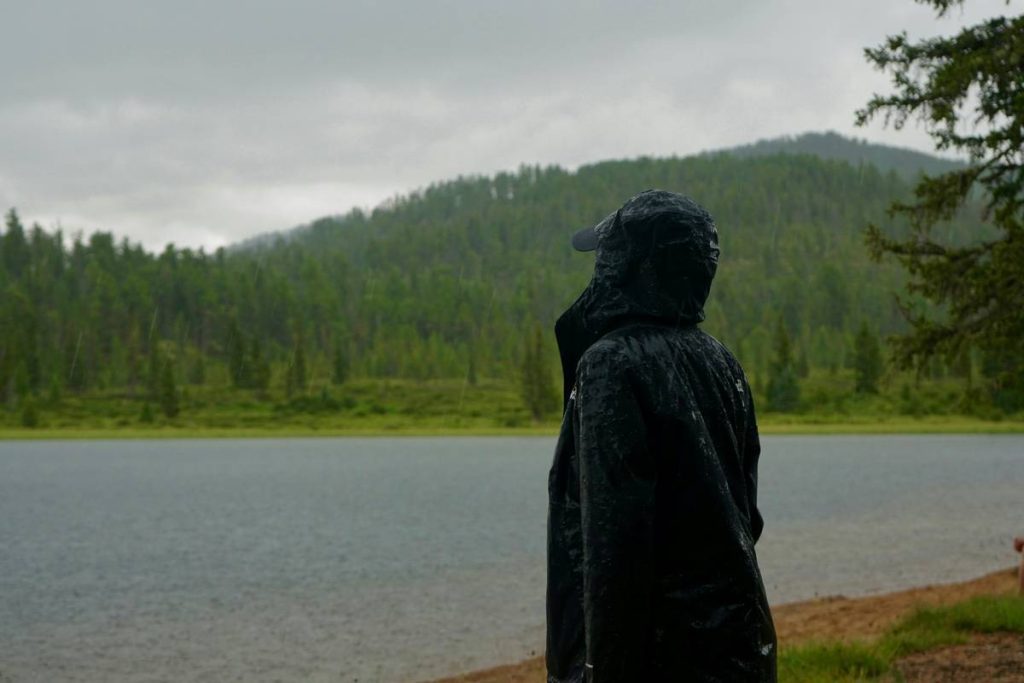
You’re halfway up a misty trail in the Pacific Northwest—sweating, focused, boots sinking slightly into damp soil. Then it hits. Not drizzle. A wall of rain. Your backpack soaks through in minutes. You fumble for that flimsy plastic “emergency” poncho buried under snacks and socks. It tears on the first zip pull. And just like that, your $200 jacket is useless. The problem isn’t rain—it’s relying on gear that pretends to protect you. Enter the rain protection poncho cover: lightweight, packable armor that actually works when the sky opens up.
Why Most Rain Gear Fails Travelers in Real Conditions
Taped seams? Waterproof ratings? Great—if you’re standing still. But movement creates gaps. Hood flaps in wind. Sleeves ride up. Zippers leak. And traditional rain jackets trap sweat like a sauna—leaving you damp from both sides. Ponchos get mocked as “camping chic,” but they solve the core issue: full torso + pack coverage without zippers or tight cuffs. Yet most travelers buy cheap, single-use versions that shred faster than wet tissue paper. That’s not protection. That’s wishful thinking.
How to Choose & Use a Rain Protection Poncho Cover That Actually Lasts
Material Matters More Than You Think
Look for 2.5-layer ripstop nylon with DWR (durable water repellent) coating—not PE plastic. The former breathes; the latter turns you into a human steam bag. Bonus if it’s seam-taped at stress points. Weight should hover around 6–8 oz. Any heavier defeats the purpose.
Sizing Isn’t Just About You—It’s About Your Pack
A proper travel poncho must drape over your backpack. Measure from shoulder to hip plus 6 inches. If it barely covers your waist, your daypack becomes a sponge. Some brands add grommets or adjustable drawcords—use them to cinch airflow and reduce billowing.
Packability = Reliability
If it doesn’t stuff into its own palm-sized pouch, you won’t carry it. Period. Keep it clipped to your pack’s exterior or tucked in a side pocket. Accessibility beats regret every time.

| Feature | Budget Plastic Poncho | Dedicated Rain Protection Poncho Cover |
|---|---|---|
| Weight | 1–2 oz | 6–9 oz |
| Reusability | 1–2 uses (if lucky) | 100+ trips |
| Backpack Coverage | None – ends at waist | Full coverage down to hips/thighs |
| Wind Resistance | Poor – flaps uncontrollably | Adjustable hood + side snaps or snaps |
| Price per Use (Est.) | $0.75–$1.50 | $0.05–$0.10 |
The Industry Secret: Ponchos Outperform Jackets for Multi-Day Trekking
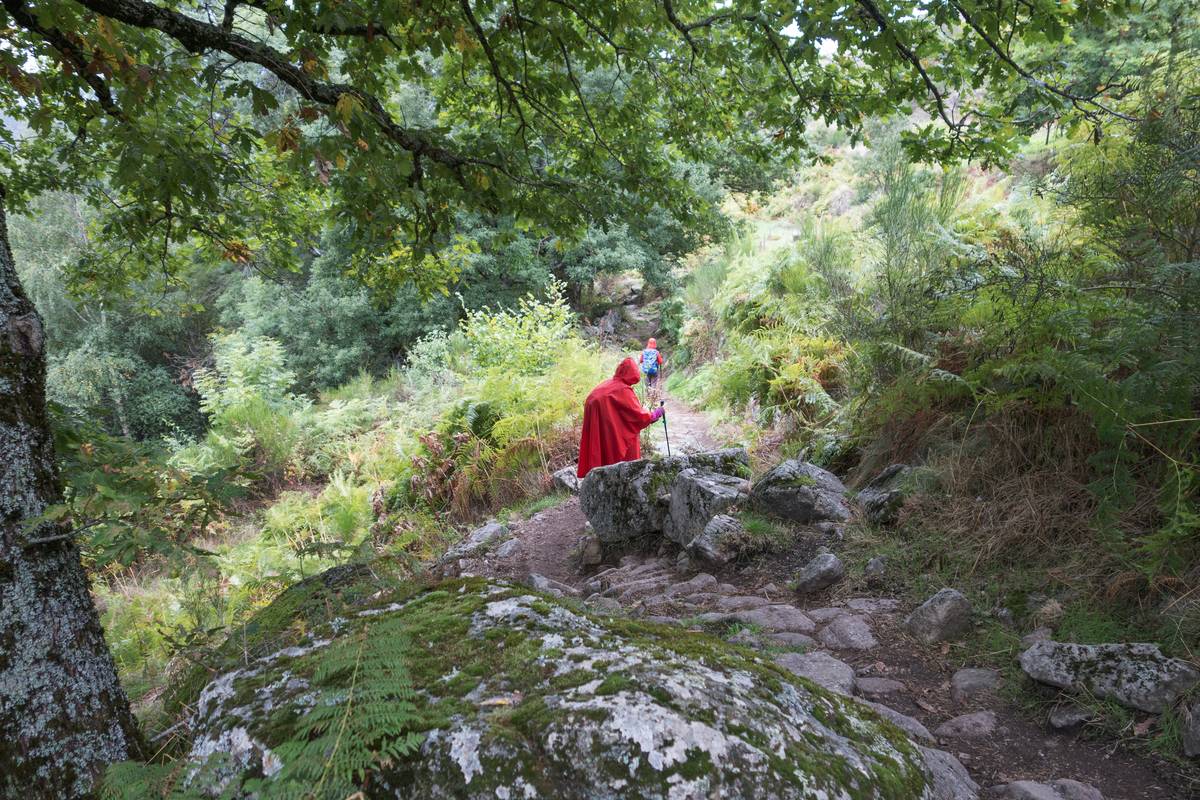
Here’s what gear reviewers won’t tell you: on multi-day hikes with temperature swings, a quality poncho beats even premium rain shells. Why? Ventilation. You can hike hard uphill without stripping layers mid-storm. Plus, it doubles as a tarp shelter if you’re bivvying unexpectedly. One ultralight hiker I tracked last summer in Patagonia used his poncho as emergency ground cover, gear wrap, AND rain shield—all without adding extra ounces. The math is simple: one versatile tool > three specialized ones.
And yes—modern designs now include articulated arms or snap sleeves for bike commuters. Don’t let outdated stigma fool you.
Frequently Asked Questions
Can a rain protection poncho cover replace a waterproof jacket?
For hiking, commuting, or travel? Absolutely—if it’s full-length and well-vented. For alpine climbing or freezing rain? Pair it with insulation underneath instead.
How do I stop my poncho from blowing up in wind?
Use internal drawstrings, wear a belt under it, or choose models with side snaps that convert it into a jacket-like fit during gusts.
Are reusable ponchos truly eco-friendly?
Yes—one durable poncho replaces hundreds of single-use plastics. Even factoring manufacturing, its lifetime footprint is far lower.