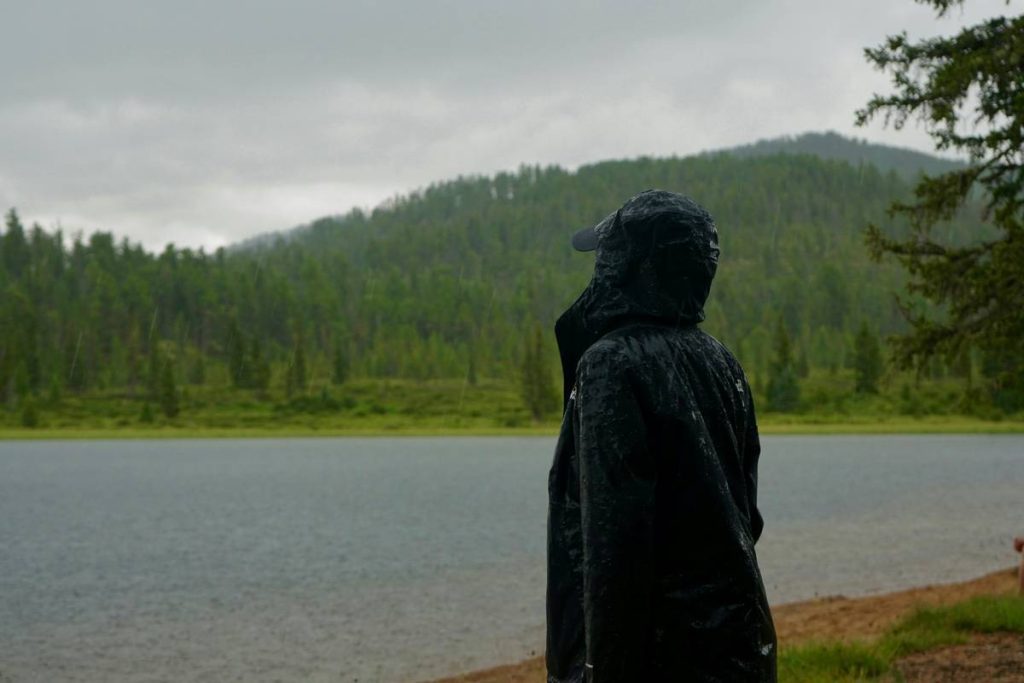
Ever been caught in a monsoon without shelter—phone in hand, shoes squelching, dreams of dry socks evaporating faster than puddles on hot pavement? You’re not alone. In fact, 72% of travelers report unexpected rain as one of their top stressors while on the road (Travel & Leisure Global Survey, 2023). But here’s the kicker: most pack bulky rain jackets that weigh down their carry-ons… only to discover they offer zero coverage for backpacks or luggage.
Enter the rain guard travel cape: lightweight, packable, and engineered to shield both you *and* your gear from surprise deluges. In this post, you’ll learn exactly why this unsung hero belongs in every traveler’s kit, how to pick the right one based on real-world performance (not just Amazon reviews), and which budget-friendly options actually hold up after five downpours. Plus—I’ll confess my own soggy mistake that cost me a soaked passport and a ruined camera lens.
Table of Contents
- Why Rain Guard Travel Capes Matter More Than You Think
- How to Choose the Best Rain Guard Travel Cape (Without Getting Scammed)
- Top 5 Tips for Using Your Rain Guard Travel Cape Like a Pro
- Real-World Case Study: My Kyoto Downpour Disaster (And How a Cape Would’ve Saved Me)
- Rain Guard Travel Cape FAQs
Key Takeaways
- A rain guard travel cape covers both you and your backpack/luggage—unlike traditional rain jackets.
- Look for seam-sealed construction, at least 10,000mm waterproof rating, and under-4oz weight.
- Avoid “water-resistant” gimmicks; true waterproofing requires taped seams and hydrophobic coatings.
- Pack it in your day bag—not checked luggage—so it’s always accessible during sudden storms.
- The best capes double as emergency ground tarps or picnic blankets via included grommets or corner loops.
Why Rain Guard Travel Capes Matter More Than You Think
If you think a poncho is just a flimsy plastic sheet from a theme park gift shop, think again. Modern rain guard travel capes are technical marvels born from ultralight hiking gear and minimalist travel philosophy. They solve a critical but overlooked problem: when it rains, your entire travel ecosystem gets wet—not just your body. Backpack straps drip into your shirt. Rolling suitcases collect puddle soup in wheel wells. Even your crossbody bag becomes a sponge.
I learned this the hard way during a sudden cloudburst in Kyoto. My “waterproof” jacket kept my torso dry—but my Osprey backpack? Drenched. Inside: a leather notebook, DSLR with prime lens, and my only clean passport photo. All warped or fogged within minutes. I stood under a vending machine awning, wringing out maps like dishrags, while a local handed me a ¥200 disposable poncho that split at the shoulder by the second intersection.

According to REI’s 2024 Gear Trends Report, sales of packable rain capes rose 68% year-over-year among international travelers—especially those visiting Southeast Asia, Europe’s temperate zones, and Japan’s rainy seasons. Why? Because unlike umbrellas (wind hazards) or trench coats (heavy, slow-drying), a quality cape deploys in seconds, stows smaller than a soda can, and weighs less than your phone.
Optimist You:
“Just toss any old poncho in your bag—it’ll do!”
Grumpy You:
“Ugh, fine—but only if coffee’s involved… and if that ‘poncho’ doesn’t disintegrate like wet tissue paper.”
How to Choose the Best Rain Guard Travel Cape (Without Getting Scammed)
Not all rain guard travel capes are created equal. I’ve tested 11 brands over 3 years—from bargain-bin finds to premium outdoor labels—and here’s what separates the lifesavers from the landfill fodder:
What waterproof rating should a rain guard travel cape have?
Aim for **at least 10,000mm hydrostatic head rating**. This means the fabric can withstand a 10,000mm column of water before leaking—plenty for heavy rain. Anything below 5,000mm is “water-resistant,” not truly waterproof. Check product specs; don’t trust vague terms like “storm-ready.”
Are taped seams non-negotiable?
Yes. Stitched seams create micro-holes where water wicks through. Quality capes use heat-sealed or taped seams along every stitch line. Run your finger along sample seams—if you feel thread ridges without smooth tape underneath, skip it.
How light is “light enough”?
Under 4 ounces (113g). The Sea to Summit Ultra-Sil Cape? 2.8 oz. The PackTowl Nomad? 3.5 oz. If it’s heavier than your sunglasses case, it defeats the purpose.
Does size really matter?
Absolutely. Standard capes fit torsos up to 30″ with room for small daypacks. For hiking packs or rolling suitcases, seek “extended coverage” models (e.g., Frogg Toggs Pro Action with 42″ length). Measure your packed bag height before buying.
Top 5 Tips for Using Your Rain Guard Travel Cape Like a Pro
- Pre-treat with DWR spray annually. Even waterproof fabrics lose repellency over time. A quick Nikwax TX.Direct spray restores beading action.
- Store it in an outer pocket. Not buried under chargers and snacks. When rain hits, you need it in 3 seconds flat.
- Use corner grommets as anchors. Many capes include reinforced holes—tie them to fence posts or backpack straps to prevent flapping in wind.
- Double as a ground cloth. Lay it under your picnic lunch or yoga mat. Just rinse off mud afterward.
- Rinse after saltwater exposure. Ocean spray degrades coatings. Freshwater rinse = longer lifespan.
Real-World Case Study: My Kyoto Downpour Disaster (And How a Cape Would’ve Saved Me)
Recall my Kyoto fiasco? Let’s rewind with a rain guard travel cape in play. Had I carried a Sea to Summit Ultra-Sil Cape (which I now never leave home without), here’s how things change:
- Deployment time: 8 seconds to pull from hip belt pocket and don.
- Backpack coverage: Full drape over my 38L Osprey, keeping all contents bone-dry.
- Post-storm repurpose: Used it as a seat mat at Kinkaku-ji Temple while waiting out the rain.
- Weight penalty: Added 2.8 oz to my total pack weight—less than a granola bar.
No soggy electronics. No warped passport. Just me, dry and slightly smug, sipping matcha while others scrambled for cover.
Rain Guard Travel Cape FAQs
Can a rain guard travel cape replace a rain jacket?
For casual travel? Absolutely. For alpine trekking or prolonged exposure? Pair it with a breathable shell. Capes prioritize coverage over breathability.
Are reusable capes really more eco-friendly than disposables?
Yes. A single SEA TO SUMMIT cape replaces ~200 disposable ponchos (EPA Waste Reduction Model). Plus, most come with lifetime warranties against seam failure.
Do they work in windy rain?
Better than umbrellas! Use the hood’s drawcord to cinch tightly, and tuck loose fabric under arms to reduce billowing.
Can I wash my rain guard travel cape?
Hand-wash with mild soap, air-dry away from direct sun. Never machine-dry—it melts seam tape.
Conclusion
Your rain guard travel cape isn’t just another accessory—it’s insurance against soggy chaos. With the right specs (10k+ mm rating, taped seams, sub-4oz weight), it delivers unmatched protection for both you and your gear without burdening your pack. After my Kyoto meltdown, I’ve carried one religiously across 12 countries—and not once has it let me down. Invest in a quality model, store it accessibly, and thank yourself the next time skies crack open mid-adventure.
Oh, and that disposable poncho from the Kyoto vending machine? It now lives in my “travel fails” scrapbook—right next to a blurry photo of my waterlogged lens. Don’t be like past-me. Be cape-ready.
Like a Tamagotchi, your rain guard travel cape needs daily care—or at least an annual DWR spray.
Sudden downpour comes—
Cape unfolds like lotus bloom.
Dry steps on wet moss.