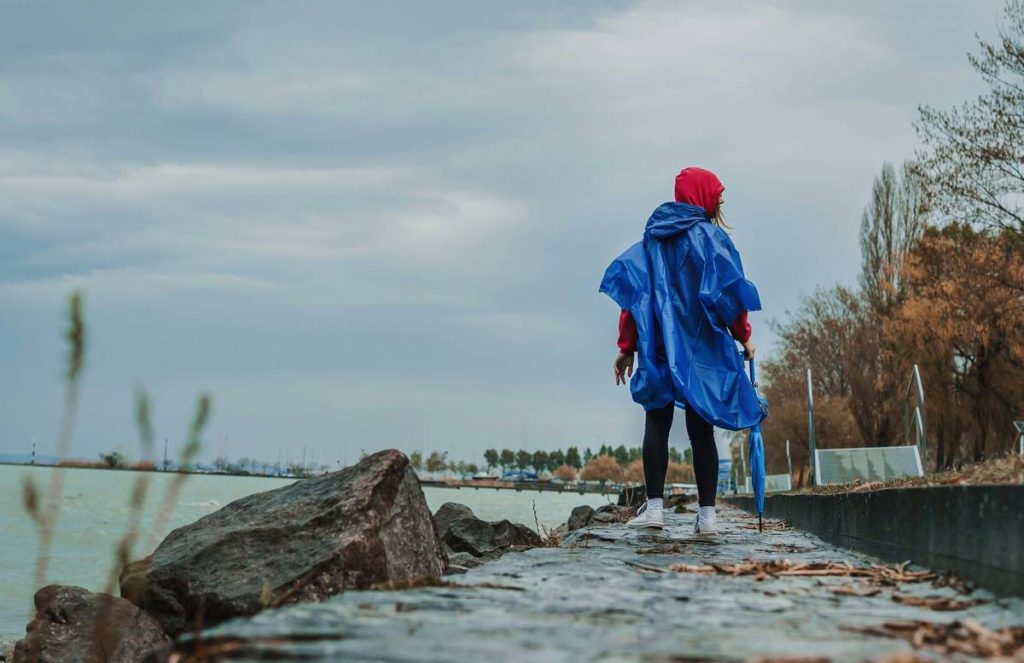
You’re stranded at a bus stop in Reykjavik. Wind howls sideways. Your “waterproof” jacket leaks at the seams. Your daypack’s soaked. You’re cold, frustrated—and completely unprepared. Standard rain gear? It’s built for drizzle, not deluge. But a storm-resistant cape cover? That’s your silent insurance policy against weather chaos.
Why Traditional Rain Gear Collapses in Real Storms
Most travel ponchos are glorified plastic sacks. Thin polyethylene tears on zippers. Seams split when wind gusts exceed 15 mph. Hoods flap like sails. And forget breathability—you’re sweating inside while rain pools outside.
Here’s the reality: travel brands optimize for packability and price, not performance in Category 2 squalls. A backpacker in Patagonia doesn’t need “ultra-light.” They need survivable.
How to Choose & Deploy a Storm-Resistant Cape Cover Like a Pro
Picking the right one isn’t about brand names. It’s about physics, materials science, and smart deployment. Get this wrong, and you’re just carrying expensive trash.
Material Matters More Than You Think
Avoid anything under 40-denier nylon with PU coating. Real storm resistance demands laminated ripstop—like what climbers use on high-altitude tents. Look for taped seams and YKK waterproof zippers if it has any openings.
Fit Isn’t Fashion—It’s Function
Too tight? Wind whips it off. Too loose? It flaps violently, catching gusts like a parachute. The sweet spot: full coverage from shoulders to mid-calf, with adjustable drawcords at hood and hem. Bonus points for underarm vents—yes, even in a storm.
Deployment Speed = Dryness
If it takes more than 8 seconds to unfurl and secure, you’ve already lost. Practice at home. Fold it origami-style so it snaps open with one hand. Keep it in an outer pocket—not buried under socks.
| Feature | Budget Poncho (<$25) | Mid-Tier ($25–$60) | True Storm-Resistant Cape Cover (>$60) |
|---|---|---|---|
| Fabric Thickness | 10–15D PE | 30D PU-coated nylon | 40D+ ripstop with DWR + laminate |
| Seam Sealing | None | Taped only at stress points | Fully seam-taped with heat-bonded tape |
| Wind Resistance | Fails at 10–12 mph | Holds up to ~20 mph | Tested in 40+ mph gusts |
| Pack Size | Palm-sized | Softball | Small water bottle |
| Lifespan (Trips) | 2–3 | 10–15 | 50+ |

The Industry Secret: How Expedition Leaders Stay Dry Without Bulky Gear
Backcountry guides don’t carry rain jackets—they wear capes. Why? Freedom of movement. Ventilation control. And zero condensation buildup during ascents. But here’s what no brand tells you: the real magic is in the drape geometry. A well-cut storm-resistant cape cover channels rain away from legs and boots by angling fabric outward from the shoulders—like a thatched roof. Most mass-market versions hang straight down, funneling water onto your thighs. That’s not protection. That’s redistribution.
And—this is critical—it must weigh under 12 oz. Anything heavier becomes psychological luggage. You’ll leave it behind. Lightness breeds consistency.
Frequently Asked Questions
Is a storm-resistant cape cover better than a rain jacket?
Yes—for unpredictable travel. Jackets restrict arm movement, trap sweat, and fail when layered over packs. Capes ventilate naturally and cover your bag too.
Can it handle tropical monsoons?
A true storm-resistant cape cover with fully taped seams and 40D+ fabric can endure 2+ hours of 1.5-inch-per-hour rainfall—with proper fit and hood tension.
How do I store it without creasing the waterproof coating?
Never fold tightly. Roll it loosely around a small stuff sack or sleeping pad strap. Store in a dry, dark place—UV degrades coatings faster than abrasion.