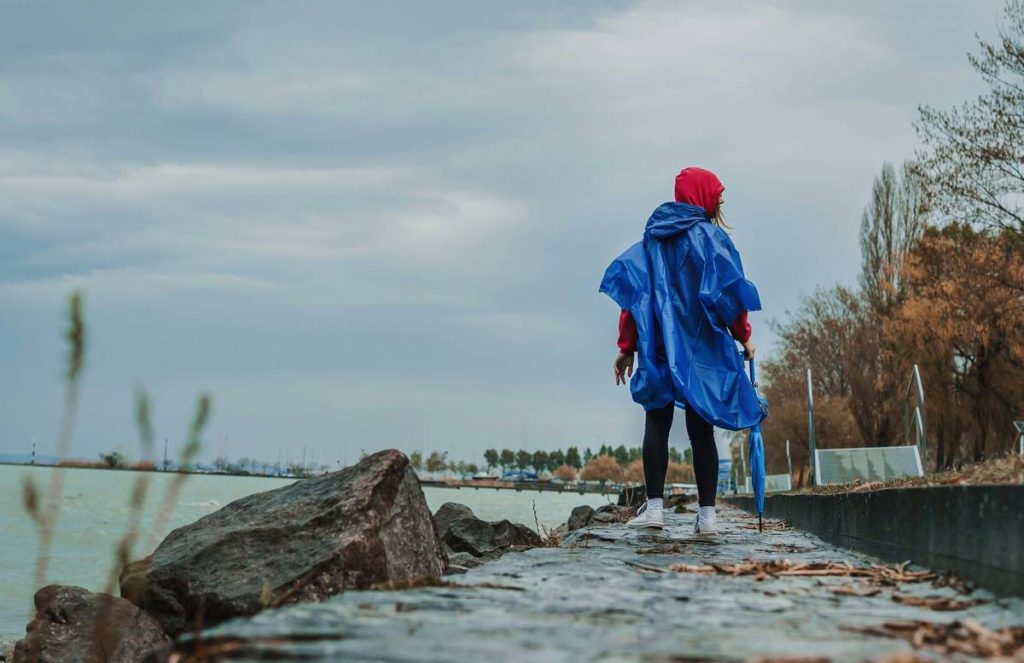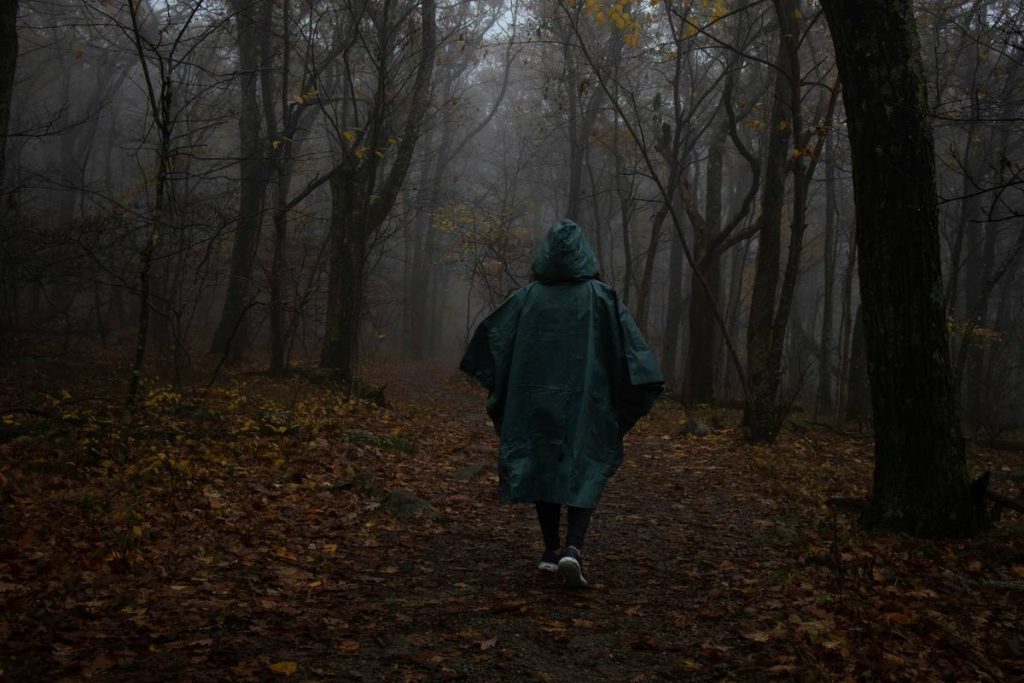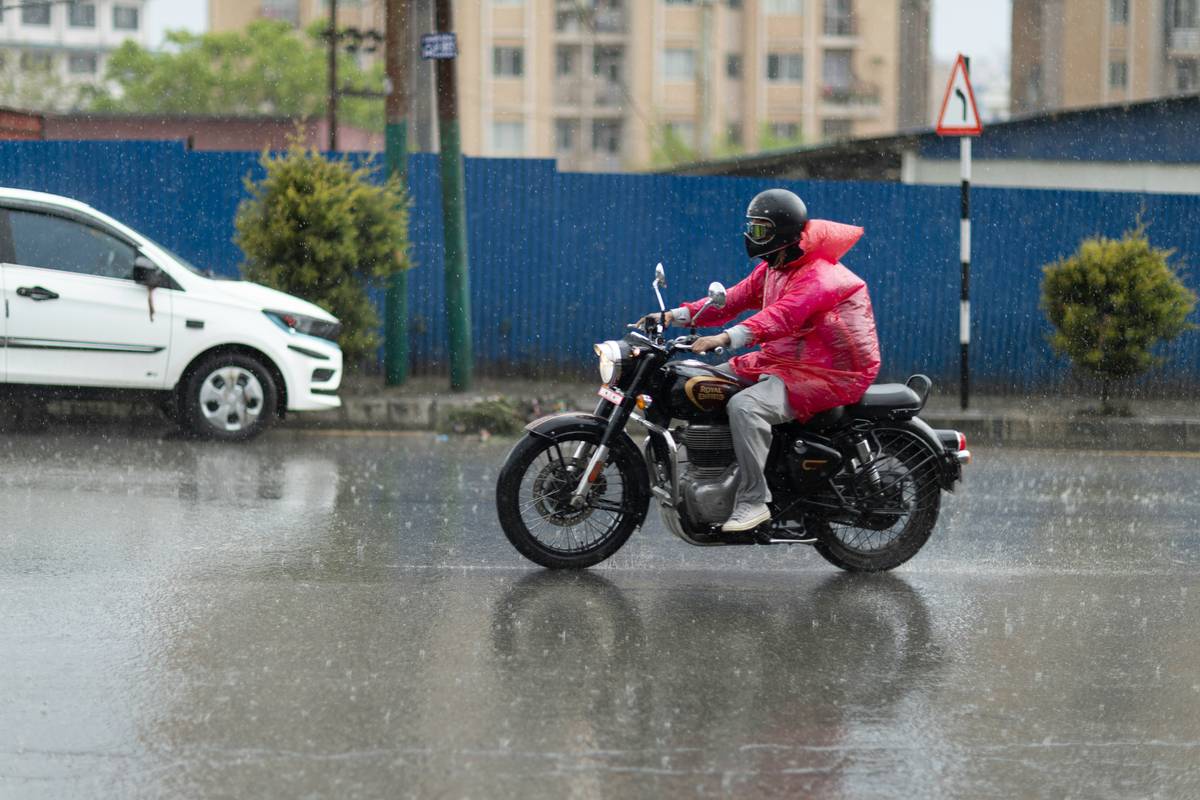
You pack meticulously. Passport? Check. Chargers? Double-check. But when the skies split open on your hiking trail or city tour, your “waterproof” backpack leaks like a sieve. And that flimsy poncho from the airport kiosk? It tears in a breeze. The problem isn’t rain—it’s false confidence. A true storm-protective cover doesn’t just shield you; it defends your entire travel ecosystem.
The Myth of “Waterproof Enough”
Most travelers assume a plastic poncho or standard rain cover is sufficient. It’s not. These fail where it matters most: sustained downpours, wind-driven spray, and abrasion against rough surfaces. They degrade fast under UV exposure—often within months. And they rarely seal fully around zippers or seams.
Think about it: if your $300 camera bag gets soaked because your “cover” pooled water at the base, was that really protection—or just theater?
Your Step-by-Step Guide to Choosing Real Storm Defense
Material Matters More Than You Think
Polyurethane-coated nylon? Decent for light showers. But for monsoons or mountain squalls, you need 420D polyester with TPU lamination—durable, flexible, and fully sealed seams. Bonus: look for anti-mildew treatment. Mold grows faster than you’d believe in damp gear bags.
Fit Isn’t One-Size-Fits-All
A loose cover flaps, snags, and catches wind like a sail. Too tight? Stress tears form at stress points. Measure your largest bag—then add 2 inches in height and width. Elastic hems with adjustable toggles beat drawstrings every time.
Visibility Saves Lives
High-vis yellow or reflective strips aren’t just for construction zones. In fog, dusk, or heavy rain, being seen by drivers or fellow trekkers is non-negotiable. Never compromise safety for aesthetics.
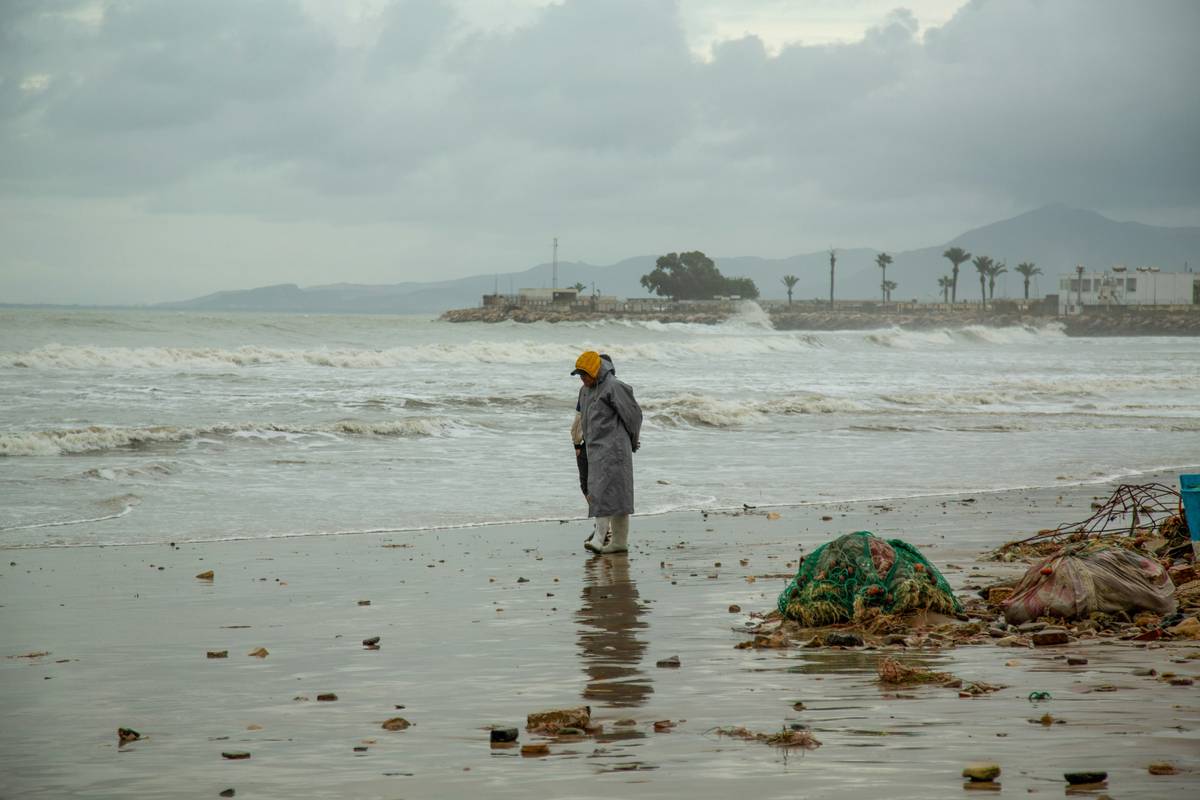
| Protection Type | Cost Range | Storm Durability | Weight | Best For |
|---|---|---|---|---|
| Disposable Plastic Poncho | $1–$3 | Low (fails in 30+ mins of rain) | 2 oz | Airport emergencies only |
| Standard Rain Cover | $15–$25 | Moderate (seams leak under pressure) | 5–7 oz | Urban commutes, light hiking |
| True storm-protective cover | $35–$60 | High (fully sealed, abrasion-resistant) | 8–12 oz | Trekking, monsoons, coastal travel |
Deployment Speed = Practical Reliability
If it takes more than 15 seconds to deploy, you won’t use it until it’s too late. Integrated stuff sacks with one-pull closure? Essential. Bonus if it doubles as a dry sack inside your pack.
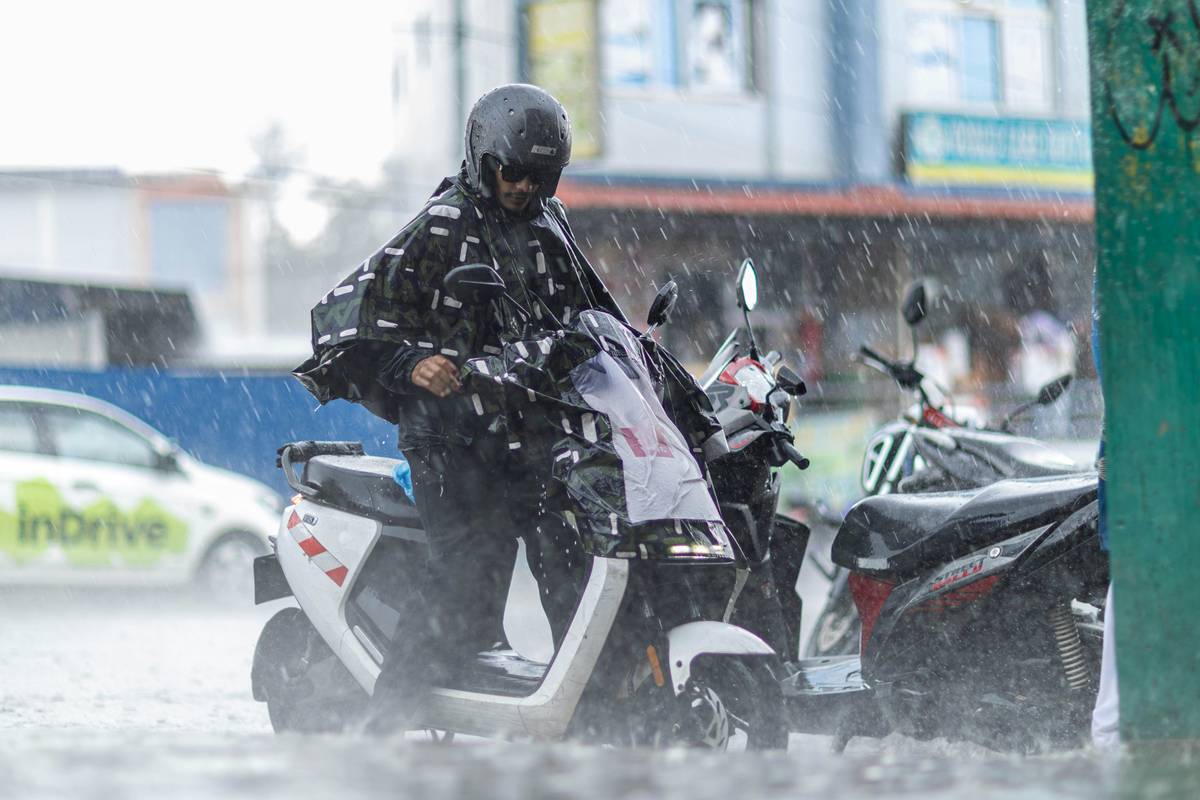
The Industry Secret: Covers Are Only Half the System
Here’s what luggage brands won’t tell you: even the best storm-protective cover fails if your bag lacks internal water barriers. Zippered compartments should have interior fabric flaps behind zippers—like storm shutters for your gear. And pack liners? Still the gold standard for electronics. The real pro move: use a high-end cover *plus* a lightweight dry sack for critical items. Redundancy isn’t paranoid—it’s professional.
But—and this is key—not all covers play nice with pack liners. Some trap condensation. Test yours at home before trusting it in Patagonia or Bali.
Frequently Asked Questions
Can I wash my storm-protective cover?
Yes—but never in a washing machine. Hand-wash with mild soap, rinse thoroughly, and air-dry away from direct sun to preserve coatings.
Do these covers work in snow?
Absolutely. Snow melts on contact, becoming water. A quality storm-protective cover handles slush and wet snow better than most jackets.
How often should I replace my cover?
Inspect seams yearly. If coating feels chalky or cracks appear when flexed, it’s time. Most last 2–3 years with regular use.