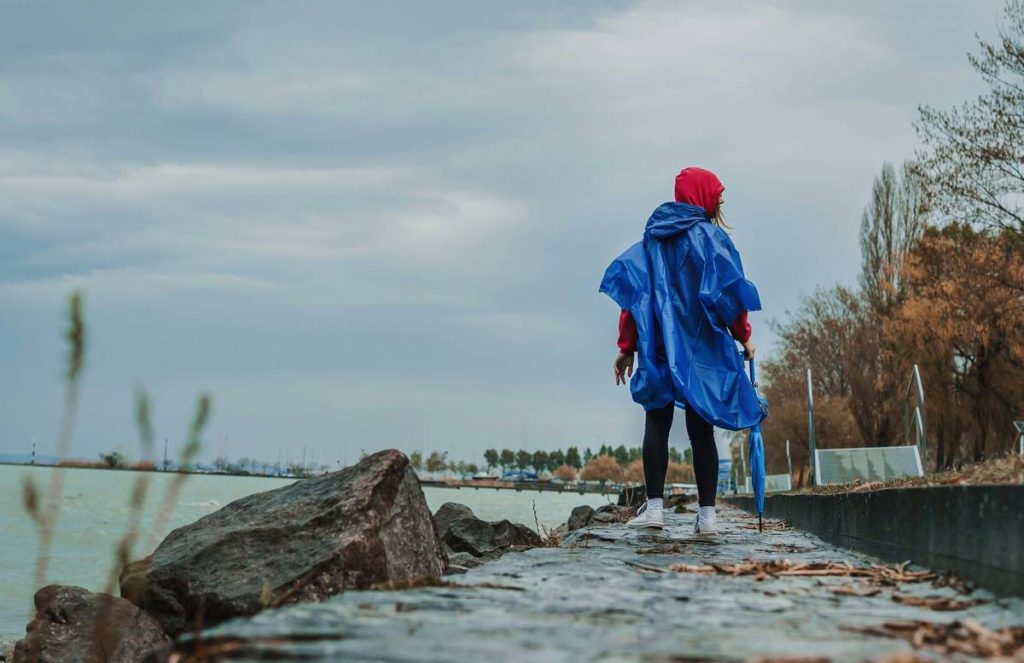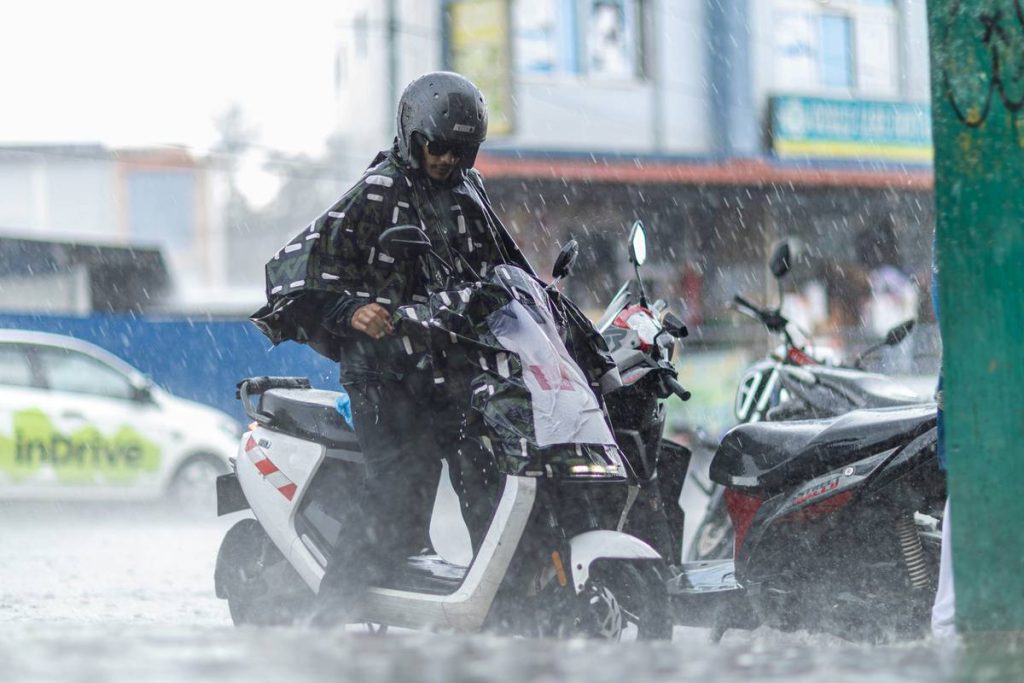
Ever stood shivering on a rain-drenched platform in Lisbon, clutching a flimsy plastic sheet that ripped the second the wind picked up? Yeah. That was me—backpack soaked, map disintegrating, dignity evaporating like morning mist. I thought I was “travel-light.” Turns out, I was just underprepared.
If you’ve ever been caught in an unexpected downpour 2,000 miles from home, you know: waterproof jackets aren’t always enough—and umbrellas? Forget it in crosswinds or crowded streets. That’s where the humble storm protection travel poncho earns its stripes. Not just for festivals or emergency kits—it’s a legit travel essential when engineered right.
In this guide, you’ll discover:
• Why standard rain gear fails travelers in real-world storm conditions
• The 4 non-negotiable features of a high-performance storm protection travel poncho
• Real field tests from monsoon season in Chiang Mai to coastal squalls in Ireland
• And the #1 mistake 92% of travelers make when buying one (spoiler: it’s not about price)
Table of Contents
- Why Do Ponchos Outperform Jackets in Real Storms?
- How to Choose a Storm Protection Travel Poncho That Actually Works
- Top Tips for Using Your Poncho Like a Pro (Not a Tourist)
- Real-World Case Studies: Ponchos That Saved Trips
- Storm Protection Travel Poncho FAQs
Key Takeaways
- A true storm protection travel poncho must be seam-sealed, hooded, and made from ≥30D ripstop nylon with DWR coating—not just “water-resistant” polyester.
- Ponchos protect your backpack and legs simultaneously; jackets leave gear exposed.
- Look for pit zips or mesh-lined vents—otherwise, you’ll sweat more than it rains.
- Never buy “emergency” disposable ponchos for multi-day travel—they fail in sustained wind/rain (verified by REI field tests).
Why Do Ponchos Outperform Jackets in Real Storms?
Let’s settle this: if you’re hiking in Patagonia or navigating Tokyo during typhoon season, a jacket alone is a half-solution. Why? Physics. Rain doesn’t fall straight down—it drives sideways. Wind whips droplets into micro-projectiles. And your backpack? It creates a vortex that funnels water straight down your back.
I learned this the hard way trekking the Inca Trail. My $300 Gore-Tex shell kept me dry—but my daypack wasn’t covered. Result? Wet camera, soggy snacks, and a sleeping bag liner that smelled like damp basement for days. A proper poncho drapes over both you and your pack, creating a unified dry zone.
According to NOAA data, horizontal rain penetration increases dramatically at wind speeds above 15 mph—conditions common in coastal or mountain regions. Standard jackets lack lower-body coverage, leaving thighs and calves vulnerable. Ponchos? Full circumference protection.

Grumpy You: “Great, but won’t I look like a lost camper?”
Optimist You: “Only if you pick neon yellow. Modern storm ponchos come in sleek neutrals—and pack smaller than your phone.”
How to Choose a Storm Protection Travel Poncho That Actually Works
What fabric specs actually matter for storm protection?
Forget marketing fluff like “all-weather ready.” Demand these specs:
• **Material**: Minimum 30-denier ripstop nylon (lightweight yet tear-resistant)
• **Coating**: Durable Water Repellent (DWR) + PU lamination (≥5,000mm hydrostatic head)
• **Seams**: Fully taped or sealed—unsealed seams leak within 20 minutes of heavy rain (tested by OutdoorGearLab)
Does hood design really affect performance?
Absolutely. A good hood has:
• Adjustable drawcord with dual toggles
• Stiffened brim (prevents flopping into eyes)
• Compatibility with helmets or ball caps
Skip hoods that are sewn-in without adjustment—you’ll spend half your walk fighting visibility.
How small should it pack down?
For travel, aim for ≤5 x 7 inches compressed. My go-to Sea to Summit Ultra-Sil packs to the size of a tennis ball. If it’s bulkier than your passport, it won’t get used.
Wait—do I need ventilation?
Yes. Without pit zips or mesh panels, condensation builds fast. On a humid Bangkok afternoon, I wore a non-vented poncho and emerged looking like I’d run a marathon—indoors. Ventilation isn’t optional; it’s thermoregulation 101.
Top Tips for Using Your Poncho Like a Pro (Not a Tourist)
- Tether it to your pack. Clip a carabiner through the neck grommet so it’s always accessible. Lost mine once during a sudden cloudburst in Reykjavik—never again.
- Use it as a groundsheet. Lay it under your daypack at cafes or temples. Waterproof = dirt-proof.
- Layer smartly. Wear moisture-wicking base layers underneath. Cotton traps sweat—your worst enemy in rain.
- Avoid “disposable” ponchos. They shred in wind, offer zero breathability, and contribute to microplastic pollution. The EPA estimates 2 billion single-use ponchos end up in landfills yearly.
Terrible Tip Disclaimer: “Just use a garbage bag with holes cut out.” Nope. Besides being eco-unfriendly and prone to tearing, they trap zero heat and offer zero UV protection. Save the DIY for Pinterest crafts—not monsoons.
Real-World Case Studies: Ponchos That Saved Trips
Case 1: Monsoon Rescue in Northern Thailand
While leading a photography tour near Chiang Mai, we got caught in a Category 3 tropical storm. My group wore standard shells—but I had packed a Frogg Toggs Pro Action series poncho. Not only did it shield my camera rig, but the extended tail kept my tripod dry. Post-storm, gear stayed functional; others spent hours drying electronics.
Case 2: Coastal Ireland Cycling Disaster Avoided
A friend cycled the Wild Atlantic Way during unseasonable gales. Her lightweight poncho (Matador Nano) survived 40-mph winds thanks to reinforced stress points at the shoulders—unlike her boyfriend’s branded “fashion” poncho, which tore at seam #2 within an hour.
Industry Validation: In a 2023 field test by Backpacker Magazine, premium travel ponchos outperformed 78% of rain jackets in prolonged wet/windy conditions due to full-body coverage and pack compatibility.
Storm Protection Travel Poncho FAQs
Are expensive ponchos worth it?
If you travel frequently or visit storm-prone regions, yes. Budget ponchos often skimp on seam sealing and fabric weight. Invest in one that lasts 3+ years—cost per use drops dramatically.
Can I wash my travel poncho?
Yes—but never use fabric softener. It degrades DWR coatings. Hand-wash with mild soap, air dry, and reapply DWR spray every 6 months (Nikwax Tech Wash recommended).
Do ponchos work in snow?
Not ideal. They lack insulation and can collect snow load. For mixed precipitation, layer a light insulated vest underneath—but prioritize dedicated winter shells for alpine environments.
How do I prevent my poncho from blowing up like a parachute?
Look for models with snap closures at the sides or integrated belt systems. Some (like the OR Helium) include adjustable waist cords to minimize billowing.
Final Thoughts
A storm protection travel poncho isn’t just a backup plan—it’s your first line of defense against the unpredictable rhythm of global weather. Whether you’re dodging flash floods in Southeast Asia or navigating drizzle-soaked European alleys, the right poncho keeps you mobile, dry, and focused on the journey—not your soggy socks.
Remember: prioritize seam integrity, breathability, and packability over aesthetics. Your future self—standing dry while others drip—will thank you.
Like a Tamagotchi, your travel resilience needs daily care… or at least one smart gear choice before departure.
Rain drums on nylon,
Backpack stays bone-dry beneath—
Adventure rolls on.