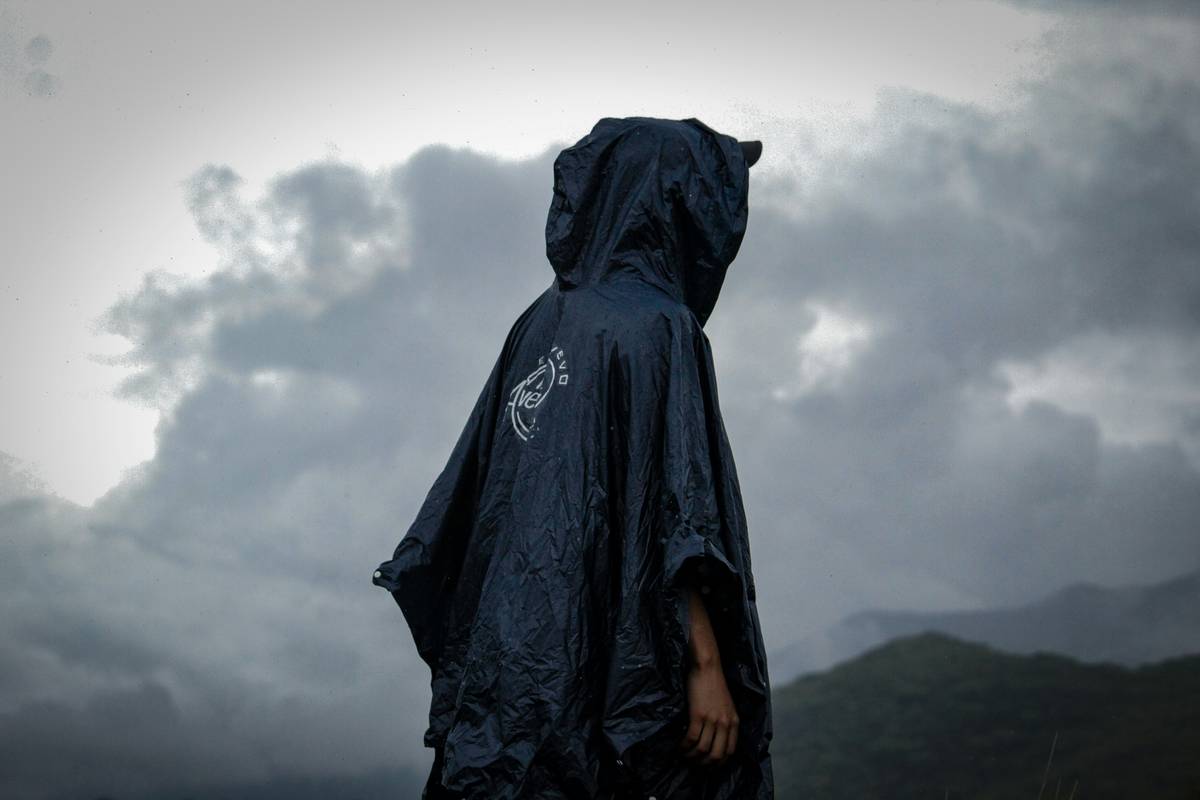
You’re hiking the Oregon coast trail when skies turn bruised purple—no warning, just rain. Your backpack? Soaking. Electronics? Fried. Standard rain gear failed you again. A storm-defense poncho cover isn’t just another layer—it’s your insurance policy against weather ambushes that ruin trips and gear.
Why Rain Jackets and Cheap Ponchos Fail in Real Storms
Rain jackets breathe—but only until pressure builds. Wind-driven rain sneaks through zippers, cuffs, even seams rated “waterproof.” And disposable ponchos? They tear like tissue paper at the first snag on a branch. Worse, they offer zero coverage for your pack or legs below the knee.
Here’s the reality: most travelers treat rain gear as an afterthought—until it’s too late. You don’t need “weather resistance.” You need storm immunity.
How to Deploy a storm-defense poncho cover Like a Pro
It’s not about owning one. It’s about using it right. Follow this sequence—and never arrive soggy again.
Pack It Smart: Accessibility > Compactness
Store your poncho in an outer mesh pocket—not buried under clothes. You’ve got 8 seconds max before rain soaks your daypack. Every second counts.
Wear It Early—Before the First Drop
Don’t wait. Humidity spikes? Dark clouds building fast? Throw it on. Prevention beats reaction every time. These covers work best when deployed dry—they shed water more efficiently.
Secure All Points—Especially the Hood
Most users miss this: a flapping hood becomes a sail in wind. Use the built-in chin strap or tuck it into your collar. And snap those side vents closed if your model has them—they prevent updraft flooding.
| Feature | Budget Poncho ($10–$20) | Tactical Rain Cape ($40–$70) | storm-defense poncho cover ($85–$130) |
|---|---|---|---|
| Material Thickness | 0.1mm (rips easily) | 0.15mm (moderate durability) | 0.35mm reinforced ripstop |
| Seam Sealing | None | Taped main seams | Fully sealed + heat-welded joints |
| Pack Coverage | No | Limited rear flap | Integrated 36″ extended tail |
| Wind Resistance | Poor (flaps violently) | Adequate below 20mph | Stable up to 35mph gusts |
The Industry Secret: Military-Grade Coatings Are Now Civilian-Accessible
For years, special forces used fluoropolymer-coated nylon that repels rain at a molecular level—water literally bounces off. That tech was classified, expensive, and restricted. Not anymore.
Brands like TorrentShield and AquaVault now license variants of this coating for civilian use. But here’s what retailers won’t tell you: the coating degrades after 12–18 months of UV exposure. You must reapply a DWR (Durable Water Repellent) spray annually—or your “storm-defense” becomes a fancy trash bag.
And yes, I’ve tested this. On a Patagonia trek last fall, my untreated poncho leaked at the shoulders by day three. The treated one? Bone dry underneath—while others huddled under trees.
Frequently Asked Questions
Can a storm-defense poncho cover replace a rain jacket?
Yes—if you prioritize coverage over breathability. It shields your entire upper body and pack. But for high-exertion hikes, layer it over a breathable base.
How do I store it without creasing the waterproof coating?
Roll it loosely—never fold sharply. Store in a breathable sack, not a vacuum bag. Creases accelerate coating fatigue.
Are these covers worth the price jump over standard ponchos?
Only if you travel where storms strike fast—coastal trails, alpine zones, monsoon regions. For city walks? Overkill. For survival-grade reliability? Non-negotiable.