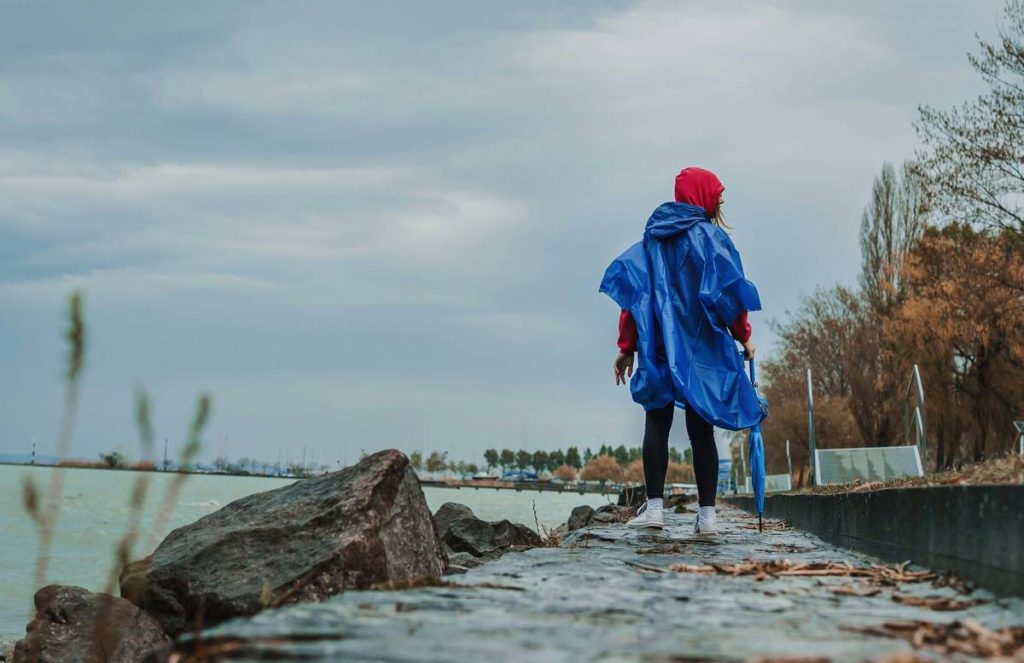
You’re hiking through sudden downpours. Your backpack leaks. Your jacket sleeves drip into your gloves. You’re soaked—not just wet, but cold-wet. Standard rain jackets? They trap sweat, snag on branches, and zip out when you need coverage most. The real solution isn’t another Gore-Tex shell—it’s a storm-proof cape cover. Lightweight. Full-coverage. Instantly deployable.
Why Traditional Rain Gear Isn’t Built for Real Storms
Rain jackets prioritize fashion over function in extreme weather. Seams leak. Hoods detach. Vents clog with mist. And forget about protecting your gear—most leave packs, legs, and camera straps fully exposed.
A storm-proof cape cover flips the script. It drapes over everything—you, your daypack, even your trekking poles—without restricting movement. Think of it as a personal tarp with arms.
How to Choose and Use a Storm-Proof Cape Cover Like a Pro
Material Matters More Than You Think
Polyurethane-coated nylon? Fine for city drizzle. But true storm protection demands 3-layer laminated ripstop with taped seams. Look for breathability ratings above 10,000 g/m²/24hr—otherwise, you’ll steam yourself from within.
Fit Isn’t Just About Size—It’s About Coverage Geometry
Most capes fail because they’re too short or cut like ponchos from the ’90s. A performance-grade storm-proof cape cover extends past your elbows and knees—even when crouching. Check the “drop length” spec before buying.
Deployment Speed Can Mean Dry vs. Drenched
If it takes more than 8 seconds to throw on, it’s useless in a squall line. Elite models use magnetic snaps or elastic cuffs that stay open until you slide them on—no wrestling required.
| Feature | Budget Poncho ($15–$25) | Tactical Rain Jacket ($120–$200) | Storm-Proof Cape Cover ($60–$90) |
|---|---|---|---|
| Coverage Area | Upper body only | Torso + hood (gear exposed) | Full body + pack + limbs |
| Pack Protection | None | Requires separate cover | Built-in drape shield |
| Ventilation | None (traps heat) | Pit zips (often jammed) | 360° airflow under cape |
| Packability | Fits in palm | Bulky stuff sack | Compresses smaller than water bottle |
The Industry Secret: Capes Outperform Jackets in Wind-Driven Rain
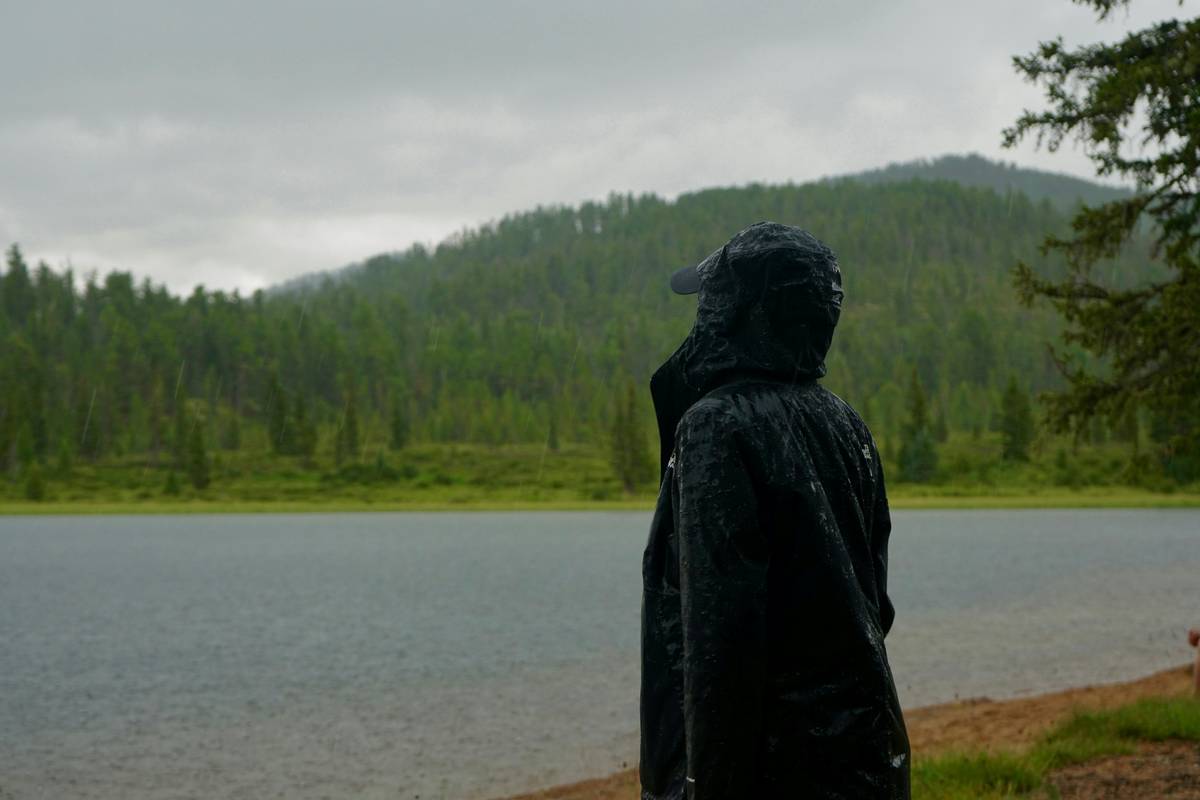
Here’s what outdoor brands won’t advertise: in horizontal rain, jackets act like sails—water channels straight down your neck and sleeves. But a well-designed storm-proof cape cover uses its loose silhouette to deflect wind-driven spray outward. The physics are simple—less surface tension, more runoff. Military survival units have known this since the ’70s. Yet commercial R&D still chases “slimmer fits.” Go figure.
And yes—some premium capes now integrate hidden drawstrings at the waist and wrists. Not for tightness, but to create micro-tension zones that prevent flapping without sacrificing breathability. That’s the frontier.
Frequently Asked Questions
Can a storm-proof cape cover replace my rain jacket?
For intense storms or multi-day treks—absolutely. For urban commuting? Maybe overkill. But if you face mountain squalls or tropical downpours, it’s superior coverage with less weight.
Are storm-proof cape covers breathable enough for hiking?
High-end models use air-permeable membranes, not just hole-punched plastic. You’ll stay drier inside than in a sealed jacket that traps condensation.
How do I pack a storm-proof cape cover without creasing it?
Roll, don’t fold. Store it loosely in an outer pocket—never compressed for weeks. Creases weaken seam tape over time.