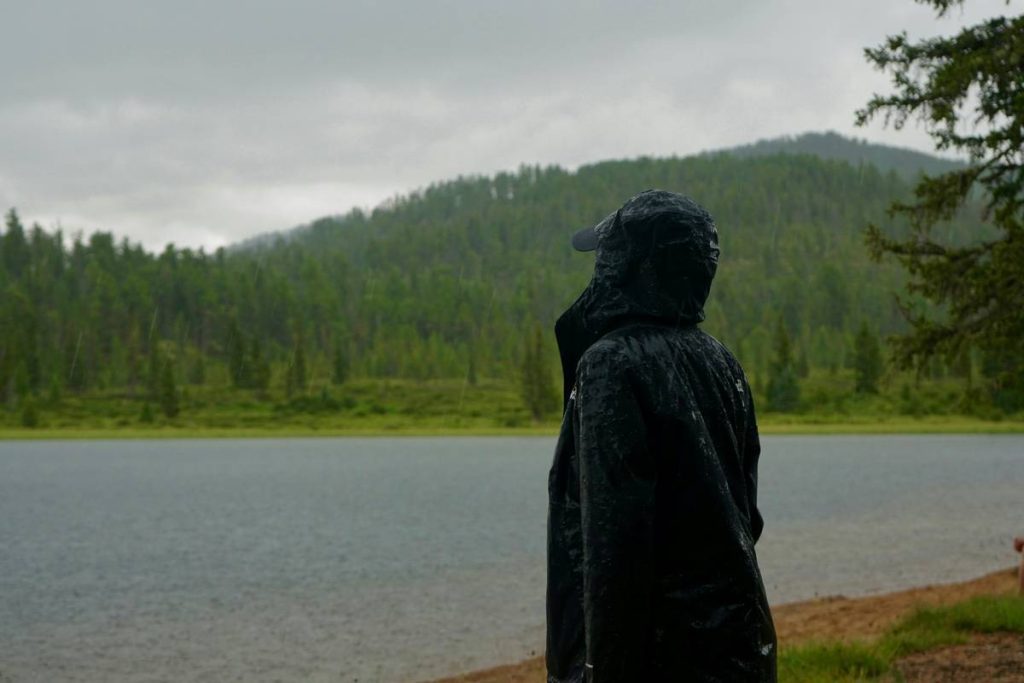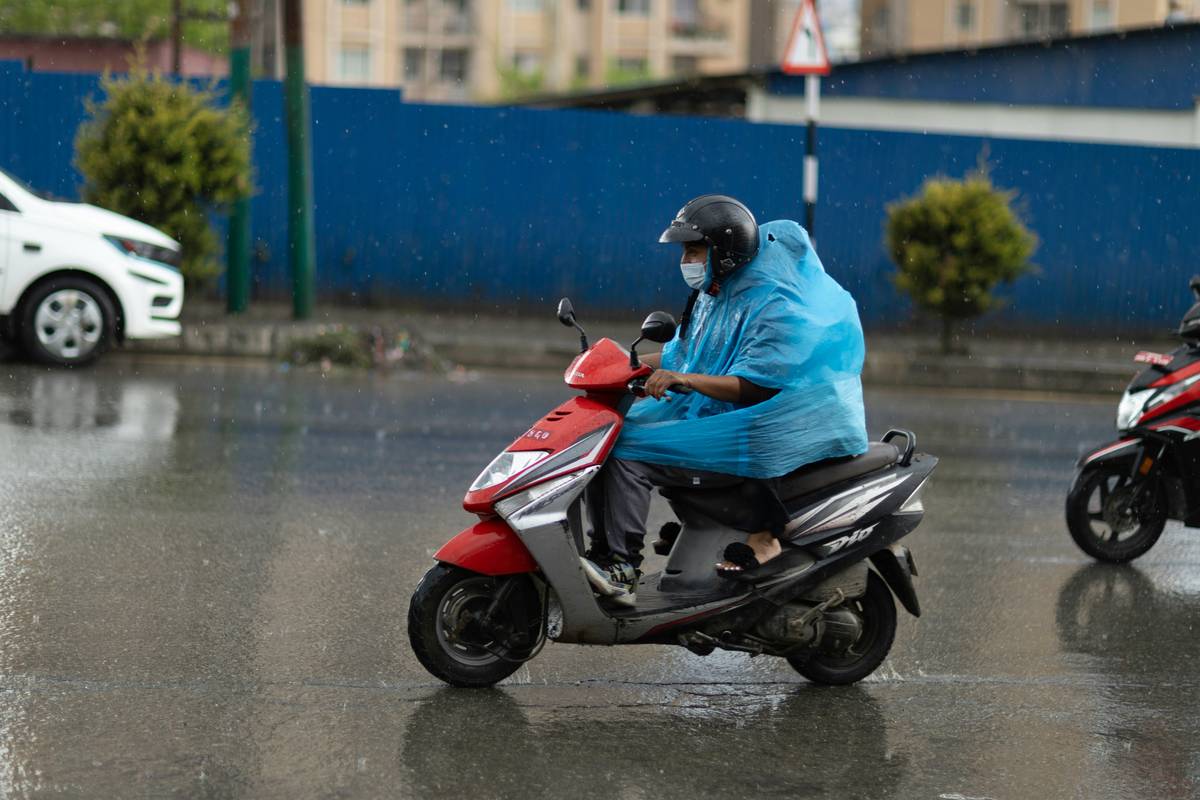
You’re caught in a downpour halfway through your hike. Your “waterproof” jacket beads water—for about ten minutes. Then it soaks through. Your backpack’s cover slips off. You’re cold, frustrated, and starting to question every gear decision you’ve ever made. The solution isn’t another overpriced shell. It’s something lighter, cheaper, and bizarrely underrated: the waterproof rain cape.
The Core Problem: Why Standard Rain Gear Fails You
Most travelers assume a rain jacket equals full protection. Wrong.
Traditional jackets trap heat, restrict arm movement, and—worst of all—leave your legs, pack, and gear exposed. Add wind, and that “water-resistant” hood flaps like a flag. Ponchos get dismissed as flimsy festival gear. But here’s what no outdoor brand wants you to know: durability isn’t just about fabric thickness—it’s about coverage and airflow.
And most so-called “travel ponchos” are glorified plastic sheets. They tear on branches. They flap loudly. They offer zero breathability.
How to Choose & Use a Waterproof Rain Cape That Actually Works
Not all capes are created equal. Forget the dollar-store versions. A serious waterproof rain cape must meet three non-negotiables: taped seams, a DWR coating that lasts, and underarm vents—or grommets—that prevent swamp-breath.
Material Matters More Than Brand Hype
Ripstop nylon with PU coating? Good baseline. 2.5-layer eVent or Pertex Shield? Overkill for casual use—but worth it if you’re trekking Patagonia in spring. Avoid PVC entirely. It cracks in cold weather and smells like a hardware store.
Packability vs. Coverage: The Trade-Off No One Talks About
A cape that packs to the size of a tennis ball usually sacrifices width. You’ll stay dry—but your daypack won’t. If you carry gear outside your main bag (like a tripod or rolled-up sleeping pad), measure your “wingspan plus 12 inches” before buying.
Ventilation Is Non-Negotiable
Think about it: rain + body heat = condensation inside your shell. Without strategic vents—or at least mesh-lined arm holes—you’ll sweat more than the rain wets you. Look for capes with dual zips under the arms or perforated shoulder panels.
| Feature | Budget Cape (<$25) | Mid-Tier (<$60) | Expedition Grade (>$100) |
|---|---|---|---|
| Fabric | 0.5 oz PU-coated polyester | 1.1 oz ripstop nylon, DWR + taped seams | 2.0 oz eVent or similar membrane |
| Pack Size | Baseball | Tennis ball | Softball |
| Ventilation | None | Side slits | Zippered pit zips + mesh back panel |
| Best For | City walks, emergency use | Backpacking, bike commuting | Multi-day alpine treks |
The Industry Secret: When a Cape Outperforms a $300 Rain Jacket
Outdoor retailers push layered systems because they sell more units. But ask any trail guide in the Pacific Northwest: in steady, cool rain with moderate exertion, a well-designed cape moves moisture better than a sealed jacket. Why? Physics. A cape creates passive airflow from front to back as you walk—like a chimney effect. Your core stays dry without cranking up internal humidity. And crucially—yes, I said it—you can throw it over your backpack without unstrapping anything. Try that with your Gore-Tex shell.
But—and this is key—only if it’s cut wide enough. Most brands skimp here to save fabric costs. Measure before you buy.
Frequently Asked Questions
Is a waterproof rain cape breathable?
Only if it has vents or mesh panels. Solid-sheet capes trap sweat. Look for designs with underarm openings or perforated shoulders.
Can I use a rain cape for hiking?
Absolutely—especially if you carry external gear. Just ensure it’s long enough to cover your pack and hips. A short festival poncho won’t cut it.
How do I clean my waterproof rain cape?
Hand wash with mild soap. Never use detergent—it kills DWR coatings. Air dry only. Reapply DWR spray every 6–12 months.