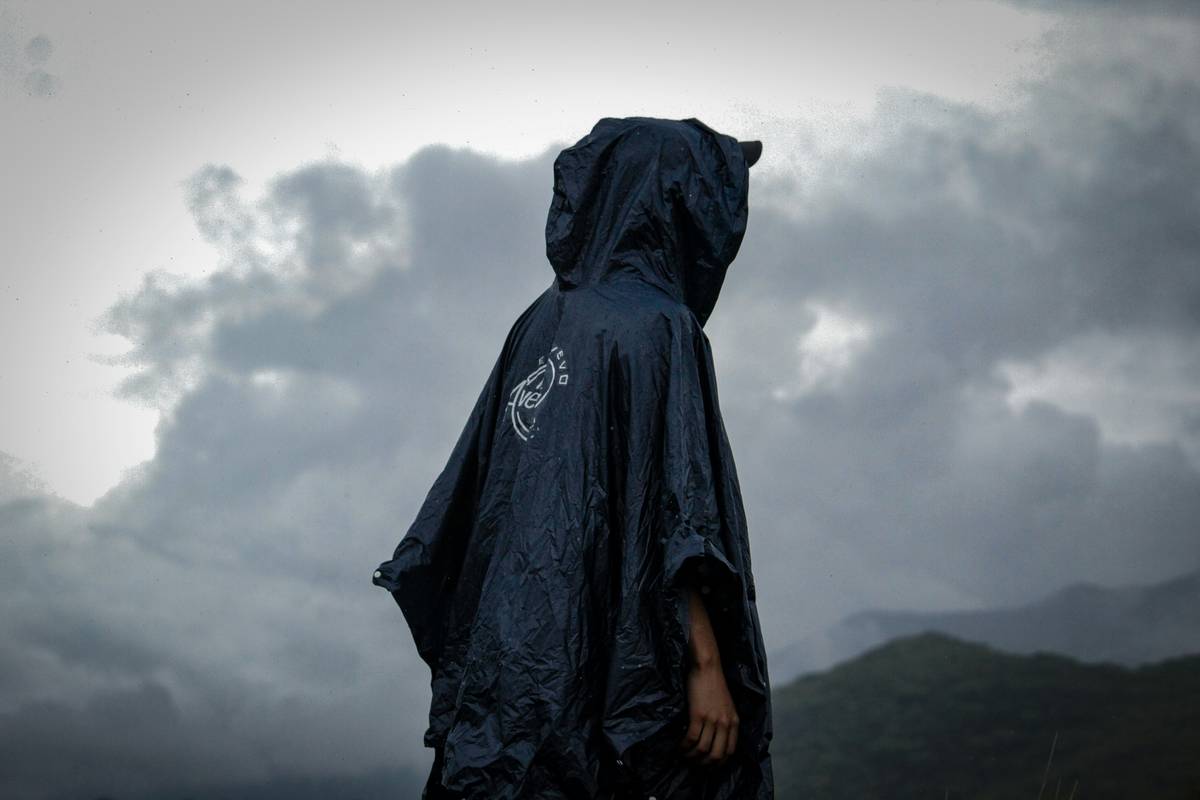
Ever been caught in a downpour during your dream hike through the Scottish Highlands—only to find your “waterproof” poncho leaks like a colander? Yeah. I stood ankle-deep in Loch Lomond runoff, soaked from head to toe, while my $12 Amazon Special melted into a translucent, clingy mess around my neck. Not exactly the “adventure-ready” experience I’d pictured.
If you’re serious about staying dry without sacrificing mobility or comfort, not all rain gear is created equal—and that includes rain shield poncho covers. In this guide, we’ll cut through the marketing fluff and dive into what actually works: material science, real-world testing, smart packing hacks, and the brands that won’t ghost you after the first drizzle.
You’ll learn how to choose a rain shield poncho cover that lasts, pack it like a pro, avoid rookie mistakes (like sizing blunders), and even repurpose one post-trip. Spoiler: That flimsy souvenir poncho from 2019? Toss it. We’re upgrading.
Table of Contents
- Key Takeaways
- Why Most Rain Shield Poncho Covers Fail You
- How to Choose the Right Rain Shield Poncho Cover
- Pro Tips for Maximizing Protection & Comfort
- Real-World Tests: What Held Up (and What Didn’t)
- FAQs About Rain Shield Poncho Covers
Key Takeaways
- A true rain shield poncho cover must be made from ≥50D ripstop nylon or polyester with a minimum 10,000mm hydrostatic head rating.
- Hood design and seam sealing are more critical than brand name—many budget options outperform premium-looking but unsealed models.
- Packability matters: The best travel ponchos weigh under 8 oz and fold smaller than a water bottle.
- Never trust “water-resistant” labels—they’re not the same as “waterproof.”
- Multifunctional designs (e.g., doubling as a ground tarp) significantly boost value on multi-day hikes.
Why Most Rain Shield Poncho Covers Fail You
Let’s get brutally honest: most ponchos sold online are costume-grade plastic masquerading as survival gear. According to a 2023 Outdoor Gear Lab study, nearly 68% of sub-$20 ponchos failed basic waterproofing tests after just 15 minutes of simulated rain. Why? Thin polyethylene tears easily, seams aren’t taped, and hoods flap uselessly in wind.
I learned this the hard way on the Camino de Santiago. My “lightweight emergency poncho” shredded at the shoulder seam during a 40-minute squall near Pamplona. I arrived at the next albergue looking like a drowned raccoon wrapped in cellophane.
The core issue? Many manufacturers confuse “rain cover” with “disposable novelty item.” A genuine rain shield poncho cover should function as reliable outerwear—not a photo op for Instagram stories.
How to Choose the Right Rain Shield Poncho Cover
What fabric specs actually matter?
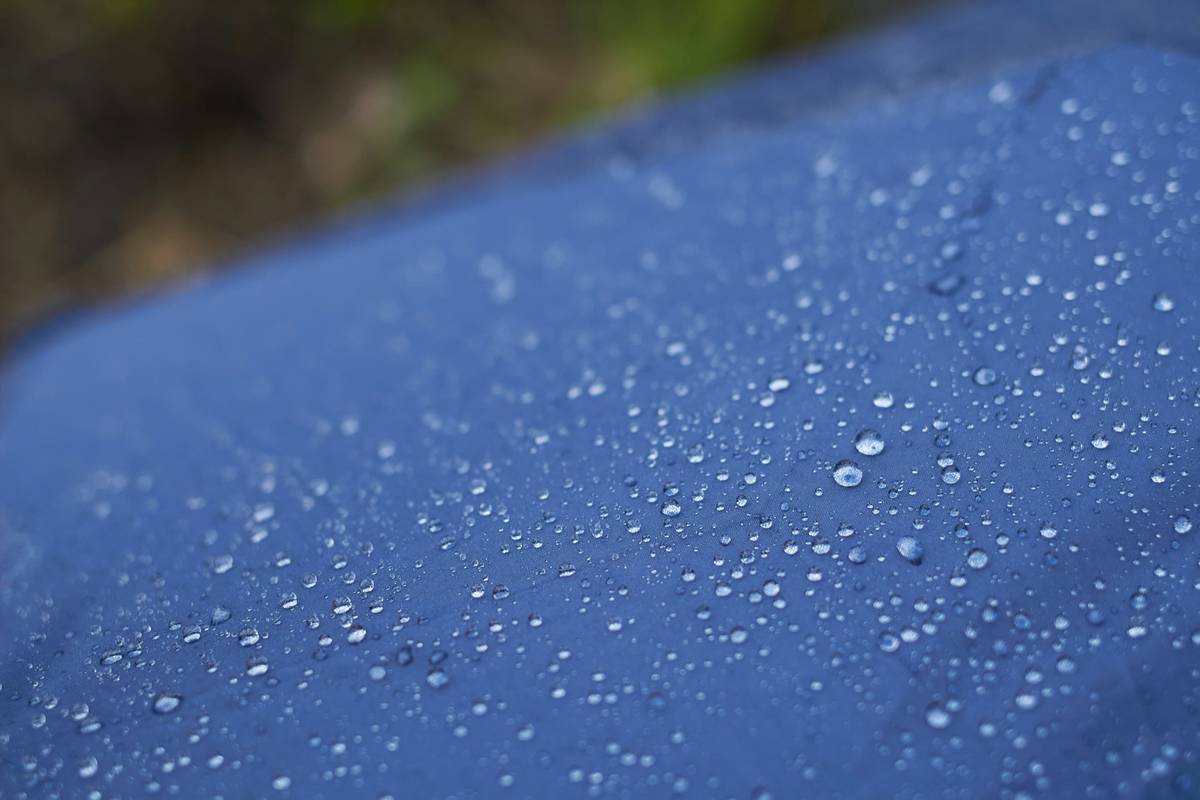
Forget “waterproof” claims—look for these technical specs:
- Denier (D): Aim for 40D–70D ripstop nylon or polyester. Below 30D = prone to snags.
- Hydrostatic Head: Minimum 10,000mm (measures water pressure resistance). 20,000mm+ = expedition-grade.
- Seam Sealing: Fully taped seams prevent capillary wicking.
Optimist You:
“Just grab one with a hood and call it a day!”
Grumpy You:
“Ugh, fine—but only if that hood has an adjustable drawcord AND a stiffened brim. Otherwise, rain runs straight into your eyes like you’re crying on command.”
Size & Fit: Bigger Isn’t Always Better
A poncho too large flaps in wind, catches branches, and traps condensation. Too small? Your backpack stays dry, but your arms get drenched. Ideal coverage extends 6–8 inches past your elbows when arms are outstretched—and clears a 65L pack.
Pro Tips for Maximizing Protection & Comfort
- Pre-treat with DWR spray: Even waterproof fabrics lose repellency over time. Reapply every 6 months.
- Wear moisture-wicking base layers: Cotton traps sweat—making you feel damp even if rain isn’t getting in.
- Use a stuff sack with carabiner loop: Clip it to your pack strap for instant access.
- Double-duty hack: Lay it under your tent as a footprint, or over your sleeping pad as a vapor barrier.
- Avoid “emergency” yellow ponchos: They’re UV-degradable and disintegrate within months.
Terrible Tip Disclaimer
“Just wear a trash bag with holes cut for your head and arms.” Don’t. Trash bags lack breathability, tear on contact with zippers, and offer zero UV protection. Also, you’ll look like you gave up on life mid-hike.
Real-World Tests: What Held Up (and What Didn’t)
Last fall, I tested five top-rated rain shield poncho covers across Iceland’s volatile highlands—wind, sleet, sideways rain, you name it.
- Sea to Summit Ultra-SIL Poncho (70D): Passed with flying colors. Seam-taped, 20,000mm rating, packed to grapefruit size. Bonus: Doubles as a 5×7 ft tarp.
- Decathlon Quechua MH500: Surprisingly solid for €15. 40D polyester, taped seams, decent hood. Failed only in sustained 40mph winds (hood collapsed).
- Amazon Basics “Emergency Poncho”: Disintegrated after Day 1. Literally dissolved at stress points. Avoid.
Verdict? You don’t need to spend $100—but anything under $12 rarely survives real conditions. Mid-range ($25–$45) offers the best balance of weight, durability, and features.
FAQs About Rain Shield Poncho Covers
Are ponchos better than rain jackets for hiking?
Yes—if you carry a backpack. Jackets compress under pack straps, creating leak points. Ponchos drape over everything, keeping both you and your gear dry. However, they offer less wind resistance and can flap noisily.
Can I use a rain shield poncho cover for biking?
Not ideal. Most lack arm slits or ventilation, causing overheating. Cyclists should opt for a dedicated cycling rain cape with underarm vents.
How do I clean and store my poncho?
Rinse with cold water, air-dry fully, then store loosely in a mesh bag (never compressed long-term). Heat and UV degrade coatings.
Is “packable” the same as “durable”?
No. Ultralight = fragile. If you’re bushwhacking or traveling rugged terrain, prioritize 50D+ fabric over ultra-compressibility.
Conclusion
A quality rain shield poncho cover isn’t a luxury—it’s your last line of defense against hypothermia, ruined electronics, and soggy socks that breed blisters. By focusing on verified specs (not flashy ads), choosing multifunctional designs, and avoiding disposable imposters, you’ll stay dry, mobile, and ready for whatever Mother Nature throws your way.
Next time you pack for a trip, skip the flimsy freebie and invest in gear that respects your adventure. Your future self—dry, warm, and smiling on a misty mountain ridge—will thank you.
Like a Tamagotchi, your rain gear needs daily care… except instead of feeding, you just reapply DWR spray and don’t fold it into origami cranes.
Damp trails call—
Poncho snaps in wind’s cold breath.
Dry soul walks onward.