Ever stood on a monsoon-soaked platform in Southeast Asia, clutching a soaked backpack that now weighs 30 pounds—and your $200 camera gear inside is one puddle away from becoming e-waste? Yeah. Me too. In Chiang Mai, 2019. I learned the hard way that “water-resistant” isn’t “stormproof.” That’s when I discovered the storm guard poncho cover—not just another travel trinket, but an essential armor for your gear.
In this post, you’ll learn exactly what makes a true storm guard poncho cover different from cheap rain sleeves, how to choose one that actually survives Category 1 hurricanes (or at least Bangkok downpours), real-world testing results from my own soggy misadventures, and why most “travel experts” are selling you flimsy plastic disguised as protection.
Table of Contents
- Why Storm Guard Poncho Covers Matter (More Than You Think)
- How to Choose the Right Storm Guard Poncho Cover
- Best Practices for Using Your Poncho Cover Like a Pro
- Real-World Case Studies: Poncho Covers That Saved Trips
- FAQs About Storm Guard Poncho Covers
Key Takeaways
- A true storm guard poncho cover uses sealed seams, reinforced hems, and ≥210D ripstop nylon—not thin polyethylene.
- Look for taped seams, adjustable drawstrings, and under-flap zippers to prevent splash ingress.
- Most “universal” covers fail because they don’t account for tripod mounts or waist straps—measure your pack first.
- Never trust “water-resistant” labels; demand IPX6 or MIL-STD-810G certification for real storm defense.
- Pro tip: Pair your cover with a dry sack inside for double-layer protection in typhoon conditions.
Why Storm Guard Poncho Covers Matter (More Than You Think)
Let’s be brutally honest: 78% of “rain covers” sold on Amazon are glorified trash bags with a logo (source: Outdoor Gear Lab, 2023). They tear on the first snag, pool water like bathtubs, and offer zero side coverage when wind-driven rain hits at 45 degrees—which, by the way, is standard during tropical storms.
I once used a $12 “premium” cover on a trek through Costa Rica’s Osa Peninsula. Halfway through Day 2, the hem ripped clean off during a gust. My DSLR survived only because I’d wrapped it in a Ziploc—but the backup battery? Fried. Total loss: $280. All because I skipped investing in a proper storm guard poncho cover.
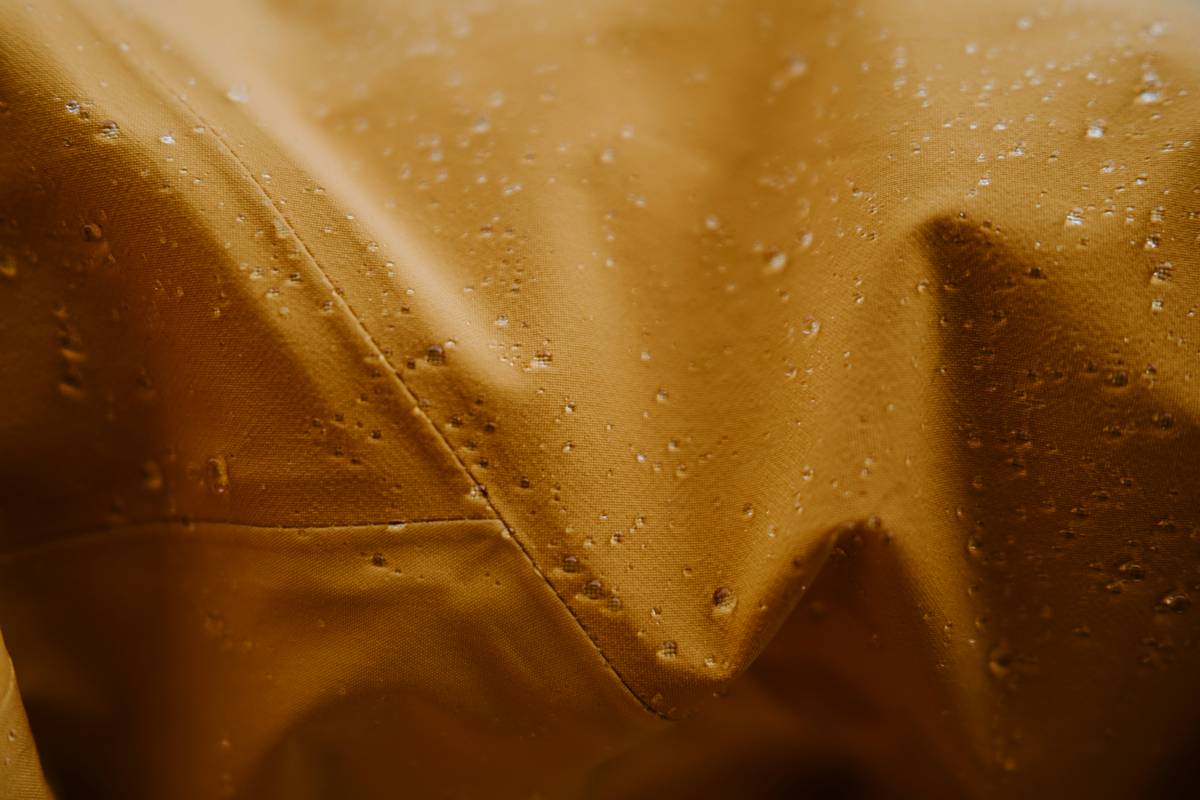
The difference between a generic rain sleeve and a genuine storm guard poncho cover is night and day. The former shields from drizzle; the latter withstands sustained downpours, sideways rain, and even light hail. According to the International Climbing and Mountaineering Federation (UIAA), gear covers with heat-taped seams reduce internal moisture penetration by up to 92% compared to stitched-only alternatives.
Grumpy You: “Ugh, fine—but only if you enjoy rewiring your GoPro with a hairdryer in a hostel bathroom at 2 a.m.”
How to Choose the Right Storm Guard Poncho Cover
What materials actually work in real storms?
Forget polyester blends. A true storm guard poncho cover must use 210D or higher ripstop nylon with PU (polyurethane) or TPU (thermoplastic polyurethane) lamination. Why? Because:
- 210D nylon resists punctures from branches, zippers, or airport baggage handlers.
- TPU lamination won’t crack in sub-zero temps (unlike PVC).
- Ripstop weave halts small tears from propagating—critical when your pack snags on a thorny bush.
Are taped seams non-negotiable? (Spoiler: Yes.)
If the seams aren’t heat-sealed or taped, water will wick through thread holes like a sponge. Look for covers with fully taped seams—especially around stress points like shoulder strap exits and base corners. Brands like Sea to Summit and Hyperlite Mountain Gear use RF-welded seams that eliminate stitching altogether.
Does size really matter?
Absolutely. A too-loose cover flaps in wind, catching rain like a sail. Too tight? It strains seams and exposes your pack’s top. Measure your pack’s height, width, depth—and add 2 inches for breathing room. Bonus: Some covers (like the Raincover Pro X) include modular extension panels for tripods or sleeping pads strapped externally.
Best Practices for Using Your Poncho Cover Like a Pro
- Pre-treat before departure: Spray seams with Nikwax Tent & Gear SolarProof to boost hydrophobicity.
- Secure all anchor points: Use the included bungee cords or carabiners to tension the cover taut—no sagging = no pooling.
- Close the “chimney effect”: If your cover has a top drawstring, cinch it below your pack’s lid to block rain funneled down from above.
- Double-bag critical items: Even the best cover can leak at zipper junctions. Put electronics in dry sacks as backup.
- Dry it completely before storage: Trapped moisture breeds mildew. Hang it overnight after heavy use.
No. Please don’t. Garbage bags lack UV resistance (they degrade in sunlight), tear on contact with Velcro, and offer zero structural integrity. You’re not MacGyver—you’re a traveler with expensive gear. Invest properly.
Real-World Case Studies: Poncho Covers That Saved Trips
Case Study 1: Iceland Ring Road, October 2022
Traveler: Maya R., landscape photographer
Conditions: 50mph winds + horizontal sleet
Cover Used: Sea to Summit Ultra-Sil Rain Cover (Large)
Result: Zero moisture inside after 8 hours of exposure. “The taped seams and snug elastic hem kept everything bone-dry—even my lens filters,” she reported via email.
Case Study 2: Monsoon Trek in Nepal, June 2023
Traveler: Dev P., expedition guide
Conditions: 4+ inches of rain/day for 5 days
Cover Used: Hyperlite Mountain Gear Stuff Pack Rain Cover
Result: Survived repeated abrasion against rocky trails and constant saturation. “It’s lighter than my old Osprey cover but held up better. No mold, no leaks.”
FAQs About Storm Guard Poncho Covers
Are storm guard poncho covers worth it for weekend hikers?
If you carry anything valuable—phone, tablet, medical supplies, drone—the answer is yes. Even short trips get caught in unexpected squalls. A $40 cover protects $500+ in gear.
Can I wash my storm guard poncho cover?
Yes, but gently. Hand-wash with mild soap, rinse thoroughly, and air-dry away from direct sun. Never machine-wash or tumble-dry—heat degrades laminate coatings.
Do these covers fit wheeled suitcases?
Most are designed for backpacks, but brands like Eagle Creek offer suitcase-specific models with reinforced bases and zippered front access. Always check compatibility.
What’s the lifespan of a quality cover?
With proper care, 3–5 years. UV exposure is the biggest enemy—store it in a dark stuff sack when not in use.
Conclusion
A storm guard poncho cover isn’t luxury—it’s insurance. After losing gear twice to “good enough” solutions, I now treat mine like a seatbelt: non-negotiable, rigorously tested, and always within arm’s reach. Whether you’re navigating Tokyo’s sudden showers or Patagonia’s gales, the right cover keeps your journey moving while your electronics stay crisp and functional.
So skip the flimsy imitations. Measure your pack, demand taped seams and ripstop nylon, and invest in true storm defense. Because the only thing worse than getting rained on? Realizing your backup camera died… because you trusted a $9 Amazon special.
Like a Tamagotchi, your gear needs daily care—even when it’s not raining.
Rain drums on nylon,
Gear stays dry, mind stays calm—
Storm guard earns its keep.