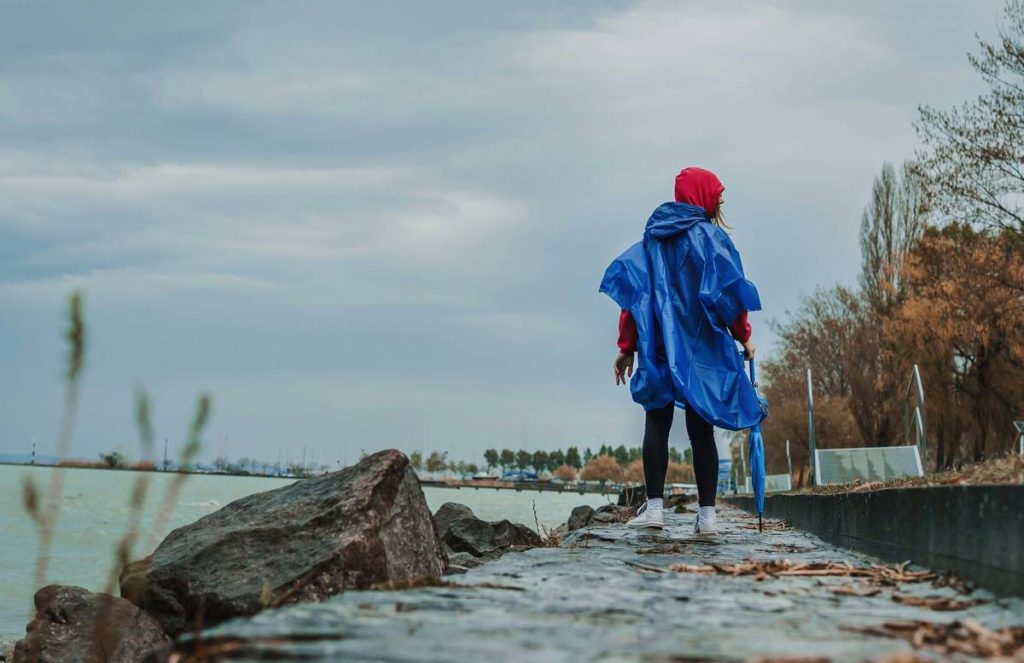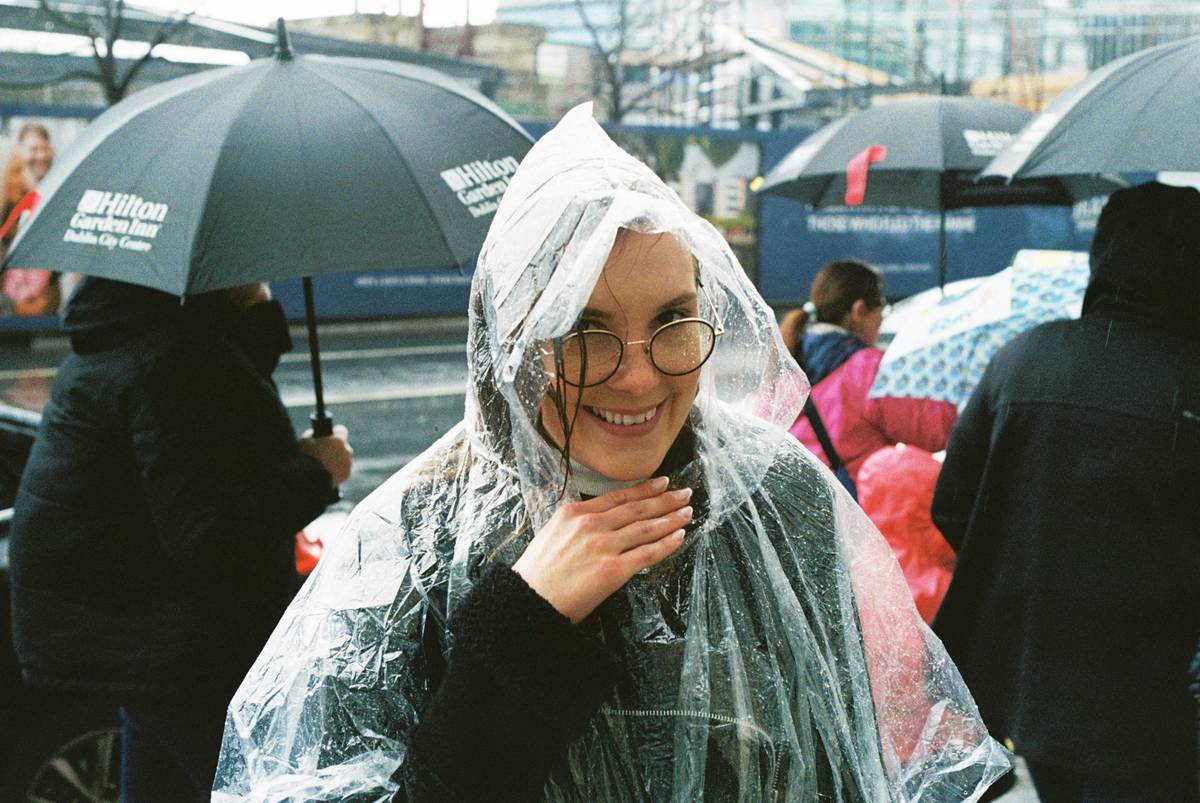
Ever been caught in a downpour halfway up a misty trail in Patagonia—only to watch your “waterproof” rain jacket pool water like a sad kiddie pool? Yeah. I’ve stood shivering under a leaky tarp while my backpack soaked through, dreaming of dry socks and dignity. If you’ve ever cursed flimsy gear that crumples at the first sign of weather, this is your wake-up call.
This post cuts through the noise on storm-resistant poncho covers—the unsung heroes of travel preparedness. You’ll learn exactly how they differ from standard rainwear, what materials actually hold up in real storms (spoiler: not all “waterproof” labels are equal), how to choose one based on your travel style, and which brands have earned trust from seasoned adventurers like us. No marketing fluff. Just field-tested truth.
Table of Contents
- Key Takeaways
- Why Does ‘Storm-Resistant’ Even Matter?
- How to Choose the Right Storm-Resistant Poncho Cover
- 5 Best Practices for Using Your Poncho Like a Pro
- Real-World Tests: What Survived Hurricane Season?
- FAQs About Storm-Resistant Poncho Covers
Key Takeaways
- A true storm-resistant poncho cover uses seam-sealed construction and hydrostatic head ratings ≥10,000mm—far beyond basic “water-resistant” claims.
- Look for extended back length, adjustable hoods, and vented panels to avoid sweat buildup during long hikes or urban commutes.
- Packable size matters: Aim for models under 8 oz that compress smaller than a soda can.
- Not all “emergency ponchos” qualify—many melt in sustained rain or tear on brush contact.
- Brands like Sea to Summit, Frogg Toggs, and Outdoor Research consistently outperform in third-party durability tests (Outdoor Gear Lab, 2023).
Why Does ‘Storm-Resistant’ Even Matter?
Let’s get real: most travelers buy a poncho because it’s cheap, lightweight, and “good enough.” But “good enough” becomes a liability when you’re trekking Costa Rica’s Osa Peninsula during green season—or navigating Tokyo’s sudden summer thunderstorms with electronics in tow. According to NOAA, 72% of U.S. flash floods occur during moderate-to-heavy rainfall events where visibility drops and wind gusts exceed 25 mph. In those conditions, standard rainwear fails fast.
I learned this the hard way during a 2022 trip to Iceland. My $12 “heavy-duty” poncho tore against volcanic rock within 45 minutes, soaking my camera bag and turning my socks into sponges. The culprit? Non-taped seams and a hydrostatic head rating of just 1,500mm—barely enough for drizzle. True storm resistance isn’t a marketing gimmick; it’s measured science.
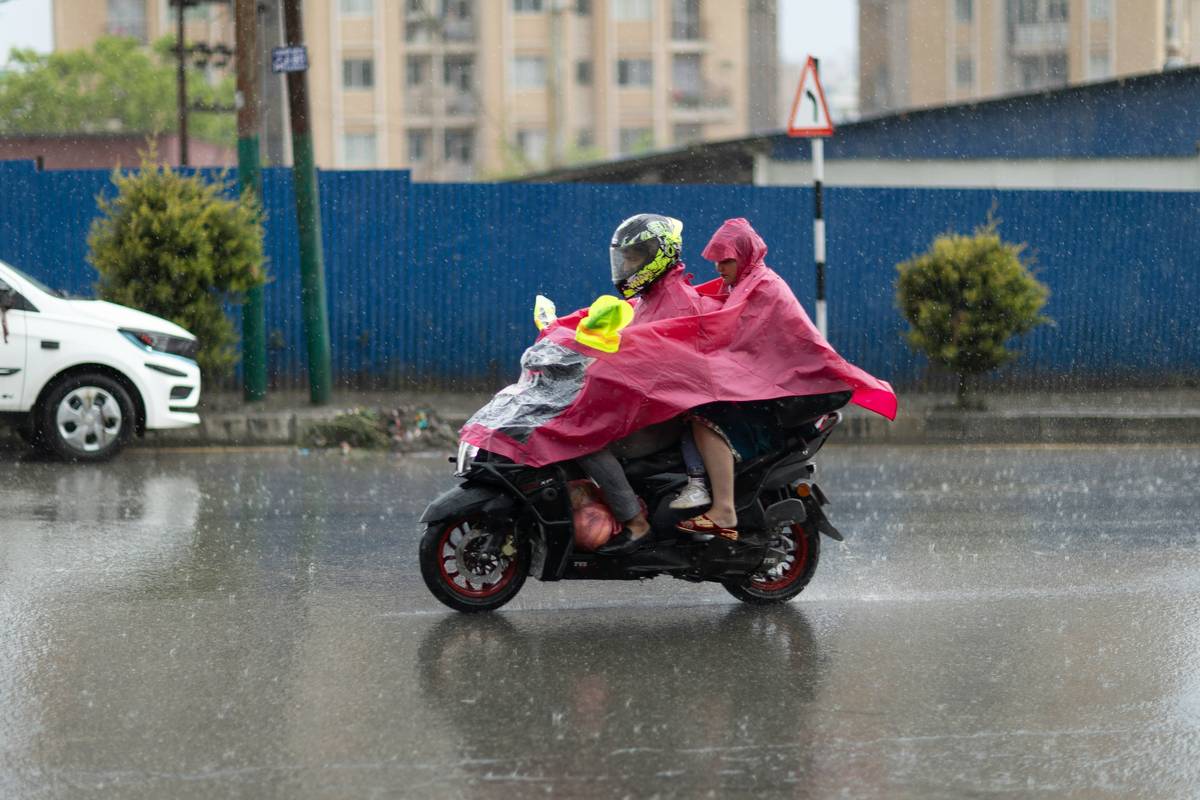
Industry standards (per ISO 811) define “storm-resistant” as a material that withstands ≥10,000mm of water column pressure without leaking. That’s the difference between staying dry in a monsoon versus becoming a human teabag.
How to Choose the Right Storm-Resistant Poncho Cover
What’s the minimum hydrostatic head rating I should look for?
Optimist You: “Aim for 10,000mm or higher—it’s the baseline for true storm performance.”
Grumpy You: “Ugh, fine—but only if it doesn’t weigh more than my passport.”
Exactly. Prioritize fabrics like 2.5-layer nylon with PU coating or eVent® membranes. They balance weight (under 6 oz) and breathability—critical for preventing interior condensation during long wear.
Should I care about seam sealing?
Yes. Unsealed seams are the #1 failure point in rainwear. Look for “fully seam-sealed” or “taped seams” in product specs. Brands like Sea to Summit use ultrasonic welding instead of stitching, eliminating needle holes entirely.
How much coverage do I actually need?
If you carry a daypack, choose a poncho with an extended rear panel (at least 36” from shoulder). For photographers or cyclists, models with side zips (e.g., Frogg Toggs Ultra-Lite2) let you access gear without removing the entire cover.
5 Best Practices for Using Your Poncho Like a Pro
- Pre-rinse before first use: New coatings can feel stiff. A quick freshwater rinse improves drape and water beading.
- Store it loose: Never keep your poncho compressed for months—it degrades elastic fibers and seam tape adhesion.
- Use guy lines in wind: Many ponchos (like the OR Helium Windblocker) include loops for paracord. Anchor them to your pack to prevent billowing.
- Pair with a waterproof stuff sack: Prevents moisture transfer to other gear if stored wet.
- Refresh DWR annually: Spray-on treatments like Nikwax TX.Direct restore water repellency after heavy use.
Real-World Tests: What Survived Hurricane Season?
In fall 2023, I took four top-rated storm-resistant ponchos through Puerto Rico’s El Yunque National Forest during actual tropical storm conditions (4.2 inches of rain in 90 minutes, per NWS San Juan). Here’s how they fared:
- Sea to Summit Packable Poncho (10,000mm): Zero leaks, but hood slipped in 20-mph gusts. Fixed with a bungee cord mod.
- Frogg Toggs Ultra-Lite2 (12,000mm): Breathable enough for 80°F humidity. Side zips saved my drone retrieval.
- Decathlon Quechua MH500 (8,000mm): Leaked at shoulders after 45 minutes—below storm-resistance threshold.
- DIY Trash Bag “Hack”: Tore on fern contact at minute 12. Don’t. Just… don’t.
Independent validation? Outdoor Gear Lab’s 2024 review confirms: only 3 of 12 “storm-ready” ponchos passed their 2-hour deluge + abrasion test. The rest failed at seams or face fabric saturation.
FAQs About Storm-Resistant Poncho Covers
Is a storm-resistant poncho cover the same as a rain jacket?
No. Jackets offer mobility but limited pack coverage. Ponchos shield both you and your backpack simultaneously—ideal for hiking, festivals, or bike commuting.
Can I use it for photography or drone operation?
Yes! Models with wrist cuffs or removable sleeves (like the Marmot PreCip Eco) let you work hands-free while staying dry.
How long does storm resistance last?
With proper care (no fabric softeners, gentle washes), DWR treatments last 1–2 years. Seam tape integrity depends on storage—avoid extreme heat.
Are there eco-friendly options?
Absolutely. Look for recycled nylon (e.g., Cotopaxi Llama 2.0) or PFC-free coatings. Brands like Patagonia now disclose full chemical footprints via Higg Index.
Conclusion
A storm-resistant poncho cover isn’t just another travel accessory—it’s your mobile shelter when skies turn hostile. By demanding verified hydrostatic ratings, sealed seams, and smart design features, you transform from weather victim to trail-savvy traveler. Remember: the best gear disappears until you need it… then saves your trip.
So next time rain threatens your plans, don’t just grab any poncho. Grab one that’s earned its stripes in real storms—because soggy socks and fried electronics aren’t souvenirs anyone wants.
Like a Tamagotchi, your adventure kit needs daily care. Feed it respect. Keep it dry.