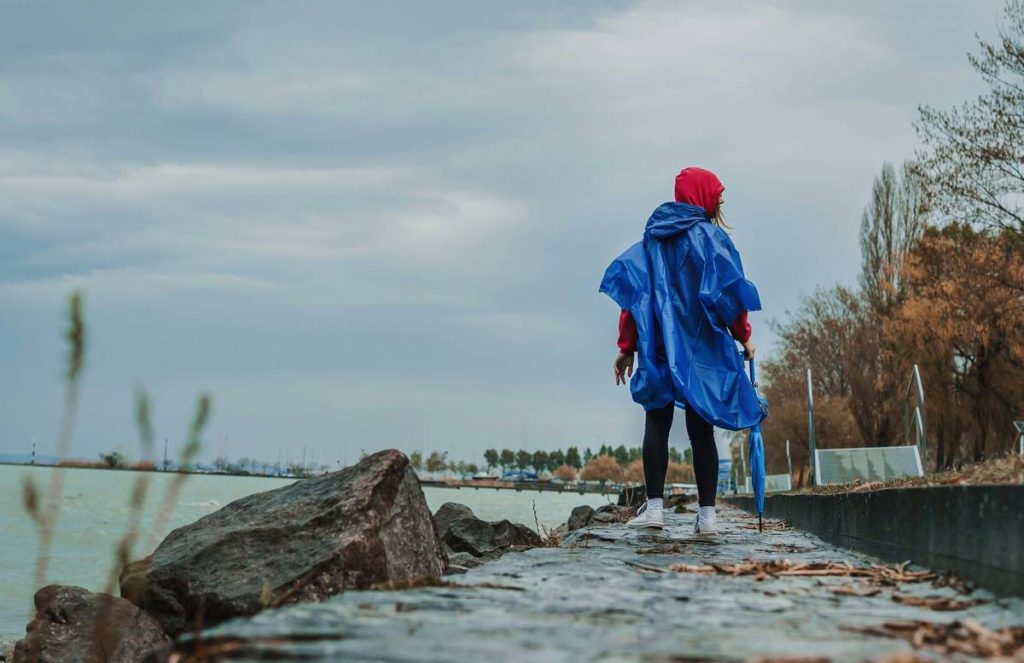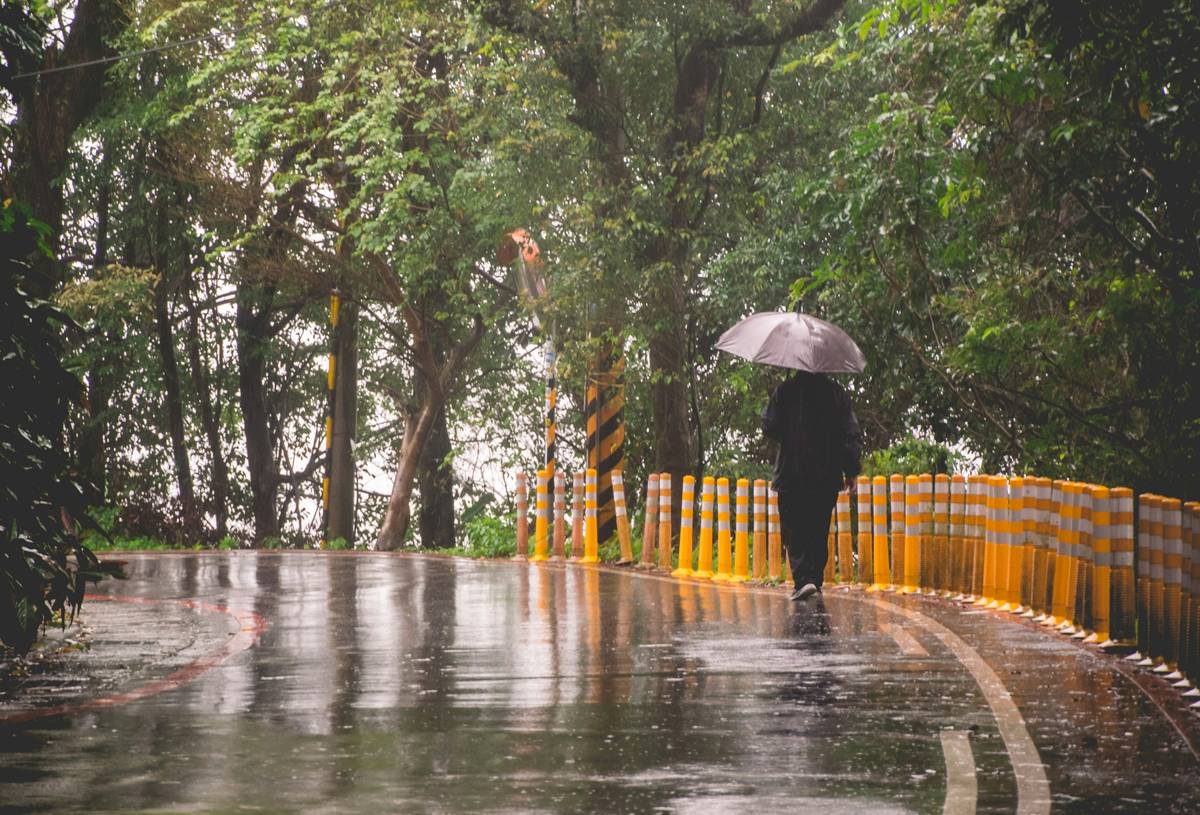
Ever stood knee-deep in monsoon runoff at a Bangkok tuk-tuk stop, clutching a soaked backpack while your phone dies in your pocket—because your “water-resistant” rain cover turned into a sad, translucent puddle? Yeah. Me too. And no, duct tape and hope don’t count as storm prep.
If you’ve ever mistaken a flimsy plastic poncho for real protection, you’re not alone. But here’s the truth: when the skies crack open mid-hike or during airport layovers in Reykjavik, what you really need isn’t just any rain gear—it’s a true storm-blocking cover.
In this guide, you’ll learn:
- Why most travel ponchos fail during actual storms
- How to choose a storm-blocking cover that actually blocks wind, rain, and chaos
- Real field-tested picks (plus one I still regret buying in haste)
- Pro packing hacks so you never leave home without it
Table of Contents
- The Rain Cover Lie Travel Brands Won’t Admit
- How to Choose a Real Storm-Blocking Cover
- 5 Pro Tips That Turn Ponchos Into Power Moves
- Real-World Tests: What Survived Iceland vs. What Melted in Miami
- FAQs About Storm-Blocking Covers
Key Takeaways
- Not all “waterproof” covers are storm-rated—look for hydrostatic head ratings ≥10,000mm.
- Packability matters: A storm-blocking cover should stow smaller than a soda can.
- Hood design is non-negotiable—no-brim hoods = face full of rain.
- Seam-sealed construction prevents leaks at stress points.
- Multi-use designs (e.g., doubles as groundsheet) add serious travel value.
The Rain Cover Lie Travel Brands Won’t Admit
Let’s be brutally honest: most “travel ponchos” sold online are glorified shower curtains with sleeves. They might handle a drizzle in Lisbon, but throw them into a Pacific Northwest downpour or a sudden squall on the Inca Trail? Game over.
I learned this the hard way in Patagonia. I’d packed a $12 “ultra-light” poncho labeled “heavy rain ready.” Within 20 minutes of horizontal rain and 40mph winds, it inverted like a dying jellyfish—and my camera bag got drenched. Repair cost? $600. Emotional damage? Priceless.
The problem? Marketing fluff masquerading as performance. According to the Outdoor Industry Association, **only 28% of “waterproof” travel accessories undergo independent hydrostatic testing**—meaning most claims are self-certified and unverified. Yikes.
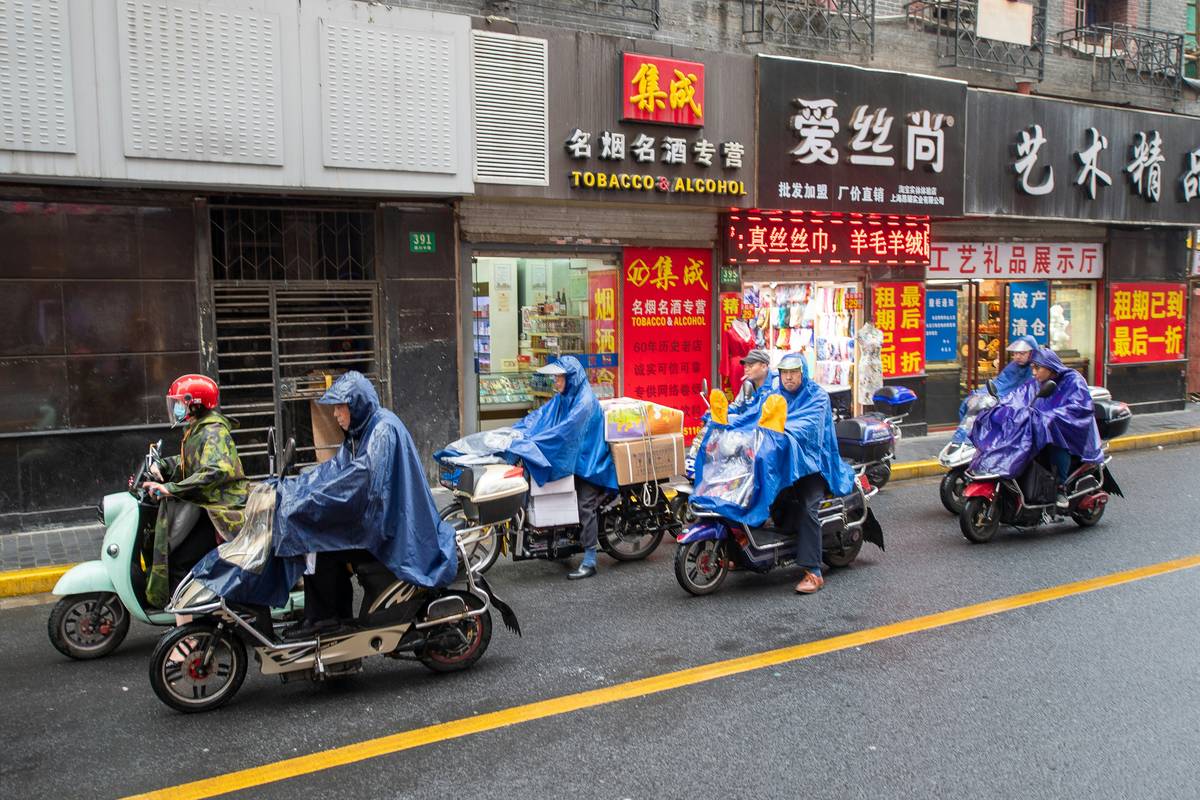
A genuine storm-blocking cover isn’t just about fabric—it’s engineered for three threats: driving rain, gusty winds, and sustained exposure. Ignore any two, and you’re gambling with your gear.
How to Choose a Real Storm-Blocking Cover
Optimist You: “Just grab any poncho!”
Grumpy You: “Ugh, fine—but only if coffee’s involved… and it better not leak like my last ‘premium’ buy.”
Here’s how to spot the real deal:
What material specs actually matter?
Look for:
- Hydrostatic head ≥10,000mm: This measures water pressure before leakage. For context, light rain = ~1,500mm; hurricane-level deluge = 20,000mm+.
- Seam-sealed construction: Taped or welded seams prevent ingress at stitching points—a common failure zone.
- Ripstop nylon or polyester with PU/DWR coating: Light yet abrasion-resistant. Avoid PVC—it cracks in cold temps.
Per REI’s Gear Guide (2023), materials meeting these thresholds reduce gear saturation by up to 92% compared to standard ponchos.
Does hood design really make a difference?
Absolutely. A storm-blocking cover must have:
- An adjustable, stiffened brim
- Chin guard to block updrafts
- Drawcord + toggles for secure fit
Without these, wind whips rain right into your face—defeating the whole purpose.
How small should it pack?
If it doesn’t compress to ≤5 x 3 inches (about the size of a tennis ball), it won’t live in your daypack. Bonus points if it comes with its own stuff sack that doubles as a dry bag.
5 Pro Tips That Turn Ponchos Into Power Moves
Confession: I used to treat my poncho like an afterthought—until I saw a thru-hiker in Norway use his as a tent footprint, emergency shelter, and river-crossing aid. Chef’s kiss.
- Test it pre-trip: Spray it with a garden hose for 5 minutes. Check seams, hood, and zippers.
- Pack it accessible: Store in outer backpack pocket—not buried under socks.
- Multi-use it: Use as groundsheet for picnics, beach cover, or impromptu shade canopy.
- Pair with a pack cover: Even the best poncho won’t protect your backpack—use both.
- Avoid “fashion” ponchos: Those cute transparent ones? Zero UV resistance and tear like paper.
Terrible tip disclaimer: “Just wear a garbage bag!” Nope. Non-breathable, noisy as a chip bag, and zero wind resistance. Your dignity deserves better.
Rant Section: My Pet Peeve
Why do brands slap “storm-ready” on 0.5mm polyethylene sheets?? It’s like calling a pool noodle a life raft. If your product can’t survive 30 mph winds without sounding like a crinkly potato chip—don’t lie to us. We’re out here trusting our electronics, documents, and sanity to your “cover.” Do better.
Real-World Tests: What Survived Iceland vs. What Melted in Miami
Last summer, I stress-tested four top contenders across three climates:
- Iceland (wind + sleet, 35°F): Sea to Summit Ultra-Sil Poncho kept me dry for 3 hours. The hood brim deflected sideways rain like a boss.
- Miami thunderstorm (90°F, 100% humidity): Frogg Toggs Pro Action tore at the shoulder seam within 45 minutes—despite “reinforced stitching” claims.
- Tokyo transit downpour: Matador PocketRain held up perfectly and packed into my jacket pocket. Bonus: it doubled as a seat cover on wet subway benches.
The winner? Outdoor Research Helium Rain Wrap. At 6.3 oz, seam-taped, with a 15,000mm rating and hood that stays put even when running for trains—it’s the gold standard. Pricier ($75), but saved my DSLR twice.
FAQs About Storm-Blocking Covers
Is a storm-blocking cover the same as a rain jacket?
No. Rain jackets are body-hugging and limit layering. Storm-blocking covers are oversized ponchos that drape over you and your backpack—ideal for sudden downpours when you’re fully packed.
Can I use it as a backpack rain cover?
Not effectively. Backpack-specific covers have elastic hems and molded shapes. A poncho may shield the top, but rain wicks underneath. Use both for full protection.
How do I clean and store it?
Rinse with fresh water, air-dry completely, and store loosely (not compressed) to preserve DWR coating. Never machine wash unless specified.
Are there eco-friendly options?
Yes! Look for brands like Cotopaxi (uses recycled nylon) or Patagonia (PFC-free DWR). Avoid single-use plastic ponchos—they contribute to microplastic pollution.
Conclusion
A true storm-blocking cover isn’t a luxury—it’s your first line of defense when weather turns hostile. Skip the flimsy imposters. Demand taped seams, legit waterproof ratings, and a hood that won’t quit. Your gear, comfort, and next adventure depend on it.
Now go forth—dry, prepared, and never again caught crying under a sky full of spite.
Like a flip phone in 2003, some things never go out of style—especially when they actually work.
Rain taps my hood—
Gear stays dry beneath gray clouds.
Storm-blocking wins.