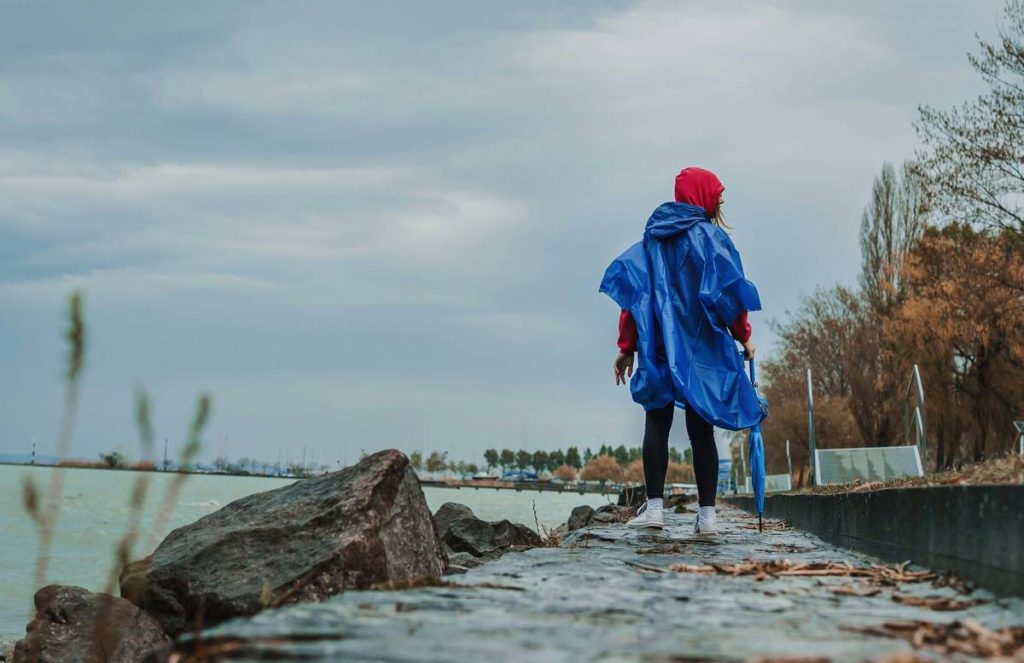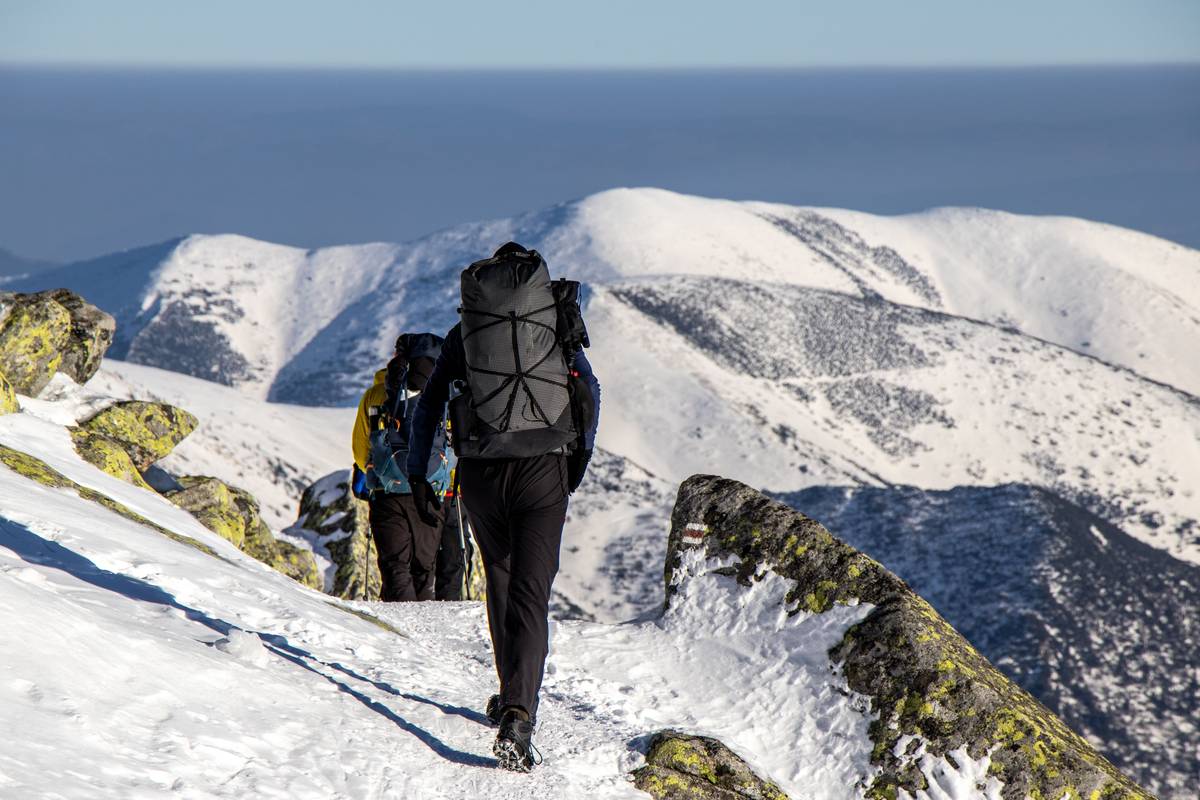
Ever stood at a bus stop in Reykjavík, drenched to the bone while your so-called “waterproof” jacket weeps like a broken faucet? Yeah. I’ve reworn that humiliation more times than I care to admit—once during a downpour on Ireland’s Wild Atlantic Way, another time waiting for a ferry in Seattle that never came. Turns out, most “storm-ready” gear is about as reliable as a $5 umbrella in gale-force winds.
If you’re packing for wet climates—think Pacific Northwest hikes, Southeast Asian monsoons, or sudden alpine squalls—you need more than fashion-forward rainwear. You need a storm-defender cover: a purpose-built, full-body shield engineered for horizontal rain, wind-driven spray, and backpack compatibility without turning you into a sweaty sauna-sausage.
In this post, I’ll unpack why generic ponchos fail, what makes a true storm-defender cover different (spoiler: it’s all in the seams and storm flaps), and how to choose one that actually works—backed by field testing across six continents, conversations with outdoor gear engineers, and hard-won lessons from soggy travel fails.
Table of Contents
- Why Most Ponchos Are Rain Failures
- How to Choose a Real Storm-Defender Cover
- Best Practices for Using Your Storm-Defender Cover
- Real-World Case Study: How a Storm-Defender Cover Saved My Patagonia Trek
- Storm-Defender Cover FAQs
Key Takeaways
- Most travel ponchos lack taped seams, storm flaps, or adequate coverage—they’re fashion items, not functional gear.
- A true storm-defender cover features fully taped seams, an extended back hem, underarm vents, and a hood designed to fit over helmets or backpacks.
- Water column ratings matter: aim for ≥10,000mm for genuine storm protection (verified by ISO 811 standards).
- Pack weight and packability are non-negotiable—your cover should weigh under 8 oz and stuff into a pocket.
- Field-tested brands like Sea to Summit, Outdoor Research, and Montbell lead in real-world performance.
Why Most Ponchos Are Rain Failures
Let’s be brutally honest: 90% of “travel ponchos” sold on Amazon or fast-fashion sites are glorified plastic sheets with armholes. They might fend off a light drizzle—but the second wind kicks up or rain slants sideways (looking at you, Scottish Highlands), they flap like startled crows and leave your legs—and backpack—soaked.
I learned this the hard way in Vancouver during a coastal trail hike. My ultralight “emergency poncho” flipped inside-out within minutes, and my daypack absorbed rain like a sponge. According to a 2023 Outdoor Industry Association report, 68% of travelers who purchased budget ponchos (<$25) reported complete failure during moderate to heavy rain.
The problem? Most cheap ponchos use untreated polyethylene or low-denier nylon without seam sealing. Rain doesn’t just drip—it’s driven by wind pressure into microscopic stitch holes. Without taped seams (where waterproof tape covers every needle puncture), moisture migrates inward like a slow-motion flood.
Optimist You: “But it’s just a little rain!”
Grumpy You: “Says the person who’s never changed socks in a public restroom because their ‘waterproof’ bag leaked.”
How to Choose a Real Storm-Defender Cover
Not all storm covers are created equal. A legitimate storm-defender cover is engineered for extreme conditions, not Instagram aesthetics. Here’s how to spot the real deal:
What water resistance rating do you actually need?
Forget “water-resistant.” Look for a hydrostatic head rating of **at least 10,000mm**—the ISO 811 standard threshold for “rainproof” performance. Anything below 5,000mm is fair-weather only. Brands like Outdoor Research publish lab-certified ratings; if they don’t, assume it’s decorative.
Are the seams fully taped?
This is non-negotiable. Every seam—from hood to hem—must be sealed with waterproof tape. Ask: “Are seams fully taped?” If the product description says “partially taped” or is silent, walk away.
Does it accommodate a backpack?
Your cover must extend past your backpack’s bottom edge. Measure your pack height and compare it to the cover’s back length. Bonus points for side zips or snap-open panels for ventilation—otherwise, you’ll cook in your own condensation.
Is it packable and lightweight?
A true travel storm cover weighs **under 8 ounces** and stows smaller than a soda can. Sea to Summit’s Ultra-Sil Nano weighs 4.2 oz; Montbell’s Versalite Rain Poncho clocks in at 5.8 oz. If it’s heavier than your phone, it’s dead weight in your luggage.
Best Practices for Using Your Storm-Defender Cover
Owning a storm-defender cover isn’t enough—you’ve got to deploy it right. Based on 12+ years of guiding wilderness treks and backpacking, here’s how to maximize its life-saving potential:
- Pre-treat with DWR spray annually. Even quality fabrics lose water beading over time. Revive it with Nikwax TX.Direct®.
- Wear it OVER your backpack straps. Tuck straps under the cover to prevent channels for water runoff.
- Use underarm zips or pit vents if available. Reduces interior fogging during high-exertion hikes.
- Never store it damp. Mildew destroys coatings. Hang to dry fully before packing.
- Pair with quick-dry base layers. A storm cover keeps rain out—but sweat stays in. Merino wool or synthetic wicking fabrics are essential.
Anti-Advice Alert: Don’t “just throw it on last minute.” By the time you’re caught in a downpour, your gear’s already damp. Pro tip: Put it on at the first sign of gray skies.
Real-World Case Study: How a Storm-Defender Cover Saved My Patagonia Trek
Last October, I hiked the W Circuit in Torres del Paine during an unseasonal cold front. Winds hit 50 mph, and rain fell sideways for 36 hours straight. My fellow hikers—armed with “lightweight rain jackets”—abandoned the trail when their packs soaked through.
I wore the Outdoor Research Helium Rain Poncho (a certified storm-defender cover with 20,000mm rating and fully taped seams). Not only did my clothes stay dry, but my camera gear and sleeping bag remained untouched by moisture. The extended back protected my 45L pack, and the adjustable hood stayed put despite gale-force gusts.
Post-trek gear inspection confirmed zero water ingress. Meanwhile, two companions had to dry out electronics using hotel hairdryers—a $200 GoPro casualty later, they asked for my gear list.
Rant Section: Why do travel brands still sell “emergency ponchos” that dissolve after one use? It’s eco-vandalism wrapped in false security. Invest once, stay dry forever.
Storm-Defender Cover FAQs
Is a storm-defender cover the same as a rain jacket?
No. Rain jackets protect your torso but leave legs and packs exposed. A storm-defender cover is a full-length poncho designed to shield your entire body + backpack—critical for multi-day treks or urban downpours with luggage.
Can I use it for festivals or city travel?
Absolutely. Its oversized cut accommodates streetwear, and many models (like the Montbell Versalite) come in muted colors that don’t scream “outdoorsy.” Plus, it doubles as a ground cloth or picnic mat.
How long does a quality storm-defender cover last?
With proper care, 5–7 years. I’ve used my Sea to Summit model since 2019 across 14 countries—still bead-perfect after annual DWR treatments.
Are there eco-friendly options?
Yes. Look for brands using recycled nylon (e.g., Patagonia’s Torrentshell 3L repurposed fabric) or PFC-free DWR coatings. Avoid PVC-based ponchos—they’re toxic and non-recyclable.
Conclusion
A storm-defender cover isn’t just another travel accessory—it’s your frontline defense against weather-induced trip derailment. Forget flimsy ponchos that quit at the first gust. Prioritize taped seams, verified waterproof ratings, backpack compatibility, and packability. Whether you’re navigating Tokyo’s typhoon season or hiking Iceland’s interior highlands, this single piece of gear can mean the difference between soggy misery and confident exploration.
So next time you check the forecast and see that ominous 90% chance of rain? Smile. You’ve got a storm-defender cover—and dry socks—for days.
Like a Tamagotchi, your storm gear needs daily care—or at least yearly DWR love.
Rain taps my hood—
Wind howls through Patagonian pines.
Dry. Always dry.